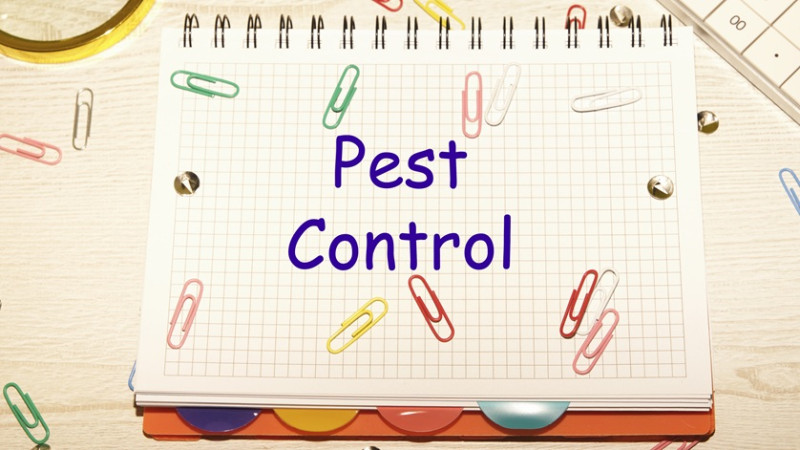
Spotting a pest problem early can save you thousands of pounds in property damage, health risks, and treatment costs. Many UK homeowners and business owners wait too long before calling a professional, hoping the problem will resolve itself—it rarely does. Pests reproduce quickly, establish themselves deeper into your property, and become exponentially harder to eradicate once they've settled in.
Knowing when to call a pest control specialist isn't about panic; it's about recognising the warning signs that separate a minor nuisance from a serious infestation. This guide will help you identify those signs so you can act decisively and protect your home or workplace.
Concrete Warning Signs You Need Professional Help
You've Found Droppings or Urine Marks
Pest droppings are one of the clearest indicators of an active infestation. Mouse droppings are small, dark, and rice-shaped; rat droppings are larger and often found in clusters near food sources or along walls. You might also notice yellowish urine stains under UV light or a distinctive ammonia smell in enclosed spaces like attics or cupboards. Finding droppings isn't just unpleasant—it signals that pests are established and likely breeding in your property. This is the moment to contact a specialist rather than attempt amateur solutions.
You've Heard Scratching, Squeaking, or Movement Sounds at Night
Nocturnal scratching in walls, attics, or under floorboards is a classic sign of rodent activity. Rats and mice are most active between dusk and dawn, so listen carefully during quiet hours—you might hear scurrying, squeaking, or the sound of gnawing. These noises indicate not just a passing visitor but an animal that's made your property its home. Professional pest controllers can identify the pest type by the sound pattern and then locate entry points and nesting areas you'd never find alone.
You've Spotted Gnaw Marks, Holes, or Chewed Wiring
Rodents gnaw constantly to keep their teeth sharp, leaving visible damage on wood, plastic, insulation, and electrical cables. If you notice small holes in skirting boards, chewed food packaging, or exposed wiring in your loft, you have an active infestation. Chewed electrical wires are particularly dangerous—they're a genuine fire hazard and a reason to call a specialist immediately, not just for pest removal but for safety assessment.
You've Found Nesting Material or Grease Marks
Rats create distinctive grease marks along walls and pipes as they travel repeatedly on the same routes—their fur leaves dark, oily stains that are almost impossible to remove without professional cleaning. You might also discover shredded insulation, newspaper, or fabric bundled into corners or cavities, indicating an established nest. These aren't signs of a pest that's wandering through; they show a pest that's unpacking its bags and settling in for the long term.
You've Seen Live or Dead Pests in Unusual Locations
If you spot a mouse in your kitchen during the day or find a dead rat under your sink, it doesn't mean there's just one. Daytime sightings often indicate a larger population competing for space. Dead pests can also indicate a successful partial treatment—neighbouring properties may have been treated, driving pests into yours. Either way, a live or dead pest is a clear signal to call a professional who can assess whether you're dealing with a minor issue or a full-scale infestation.
You've Noticed Foul Smells You Can't Identify
A persistent, unexplained smell—particularly in attics, basements, or behind appliances—often indicates dead pests or an active colony nearby. Rodent urine has a distinctly musty, ammonia-like odour; decomposing pests produce a sickly-sweet stench. These smells don't just indicate a pest problem; they suggest the infestation has been present long enough for pests to die or for waste to accumulate. Professional help is essential at this stage.
You've Found Pest Entry Points or Gaps in Your Property
Rats can squeeze through gaps as small as 10mm; mice need even less. If you've discovered holes, cracks, or gaps around pipes, foundations, or external walls, you can be certain pests have already noticed them. Finding entry points yourself is a sign you should contact a specialist—they can seal these gaps properly and check for others you've missed, then treat any pests already inside.
Is It Urgent? When to Call Right Away
Call a pest control specialist immediately if:
- You've found evidence of rats (larger, more dangerous than mice)
- You've spotted chewed electrical wiring (fire risk)
- You have a dead pest you cannot safely remove
- You've found multiple droppings or nesting sites
- You run a food business or healthcare facility with any pest signs
You can book an appointment within a few days if:
- You've seen a single mouse with no other evidence
- You've spotted a single entry point with no droppings
- You're dealing with an insect problem (wasps, ants, cockroaches) rather than rodents
DIY vs Professional: What Actually Works
Supermarket traps and poisons might eliminate one or two pests, but they won't solve an established infestation. Professional specialists identify nesting sites, entry points, and the full extent of the problem—information you simply cannot gather alone. They also use treatments, techniques, and access that homeowners don't have, and they can guarantee their work with follow-up visits.
If you've already tried DIY solutions and the problem persists, professional help is now essential. Pests become wary of traps and develop resistance to retail poisons, making professional intervention your only realistic option.
Find a Pest Control Specialist Today
If you've recognised any of these warning signs, don't delay. Early professional intervention is always cheaper and more effective than waiting for the problem to worsen. Use londonpestscontrol.co.uk to find a qualified, vetted pest control specialist in your area—most offer free assessments and can respond quickly to urgent situations.
Trending articles
-
 Business Rates and Inflation Squeeze: ...
Mar 2026
Business Rates and Inflation Squeeze: ...
Mar 2026
-
 WordPress vs Squarespace vs Wix for ...
Mar 2026
WordPress vs Squarespace vs Wix for ...
Mar 2026
-
 Why Pest Control Companies Need ...
Mar 2026
Why Pest Control Companies Need ...
Mar 2026
-
 Sole Trader or Limited Company? What ...
Mar 2026
Sole Trader or Limited Company? What ...
Mar 2026
-
 What to Expect When Hiring a Pest ...
Mar 2026
What to Expect When Hiring a Pest ...
Mar 2026
-
 Google Ads vs Facebook Ads for Pest ...
Mar 2026
Google Ads vs Facebook Ads for Pest ...
Mar 2026