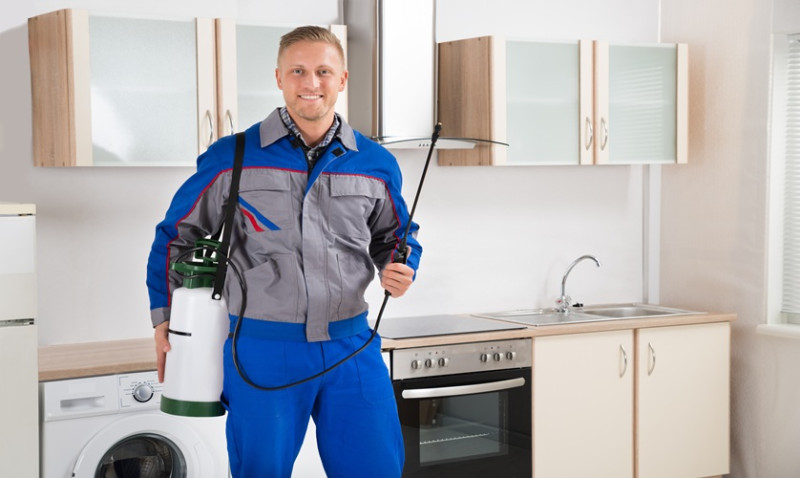
You've just gone self-employed. Maybe you've left a firm to start your own pest control operation, or you're expanding from a side hustle into a proper business. Either way, you're probably wondering how much of your earnings the taxman will take. The answer isn't as grim as you might think, but it does require some planning.
The tax you'll pay depends on several moving parts: your turnover, your expenses, whether you're VAT registered, and how much you're paying into National Insurance. Let's break it down in a way that actually makes sense for someone treating wasp nests and clearing rodent infestations for a living.
Income Tax: It's Based on Profit, Not Turnover
This is the crucial bit that many pest control operatives miss. HMRC taxes your profit, not the money coming in. If you earned £40,000 in jobs last year but spent £12,000 on vehicle fuel, equipment, protective clothing, and other business expenses, you only pay tax on £28,000.
For the 2024/25 tax year, the personal allowance sits at £12,570. Anything you earn below that threshold is tax-free. Between £12,570 and £50,270, you pay 20% basic rate income tax. Above £50,270, you're in higher rate territory at 40%.
So if your profit is £35,000 after expenses, you'd pay income tax on £22,430 (that's £35,000 minus your personal allowance). That works out to roughly £4,486 in income tax for the year.
National Insurance: The Hidden Cost Nobody Mentions
Here's where self-employment gets expensive. You're not just paying income tax. You're also paying Class 2 and Class 4 National Insurance contributions, and they add up faster than you'd expect.
Class 2 is a flat-rate contribution of £163.80 per year (2024/25). You pay it regardless of your profit. It buys you some protection towards your State Pension and certain benefits.
Class 4 is the nasty surprise. You pay 8% on profits between £11,908 and £50,270, then 2% on anything above that. Using the same £35,000 profit example, that's £1,850 in Class 4 contributions.
Add Class 2 to Class 4, and you're looking at roughly £2,014 in National Insurance on top of your income tax bill. It stings because it's not optional and it doesn't appear on your payslip like PAYE would.
VAT Registration: When It Becomes Compulsory
If your turnover exceeds £90,000 in a twelve-month period, you must register for VAT. Many pest control businesses hit this threshold quicker than they expect, especially if you're handling commercial contracts alongside domestic work.
Once you're VAT registered, you charge 20% on top of your invoice prices. But here's the thing: you can reclaim VAT on your business expenses. Your fuel, your protective gear, your vehicle servicing, your pest control chemicals. That VAT refund helps offset what you're charging customers.
The real impact is administrative. You'll need to file quarterly VAT returns, and your invoicing becomes more complex. Some customers will appreciate the VAT because they can reclaim it. Others, particularly domestic clients, will just see a 20% price increase and shop around.
What You Can Actually Claim as Expenses
This is where you save money. HMRC allows you to deduct legitimate business expenses from your profit.
- Vehicle costs: fuel, maintenance, insurance, and road tax. You can either claim actual mileage costs or use the simplified expenses method at 45p per mile (though real costs are usually higher)
- Equipment and tools: ladders, sprayers, protective suits, respirators, gloves
- Professional products: pesticides, rodenticides, fumigation materials
- Premises: rent or mortgage interest if you run from an office, property insurance
- Professional fees: accountant costs, bookkeeping software, business insurance
- Phone and internet: your business percentage of your bills
- Training and qualifications: pest control certification, health and safety courses
- Subscriptions to industry bodies
You cannot claim personal expenses. Your tea and biscuits don't count. Your gym membership doesn't count. The distinction between personal and business spending is sharper than most people realise.
A Real Example: Solo Pest Control Operator
Let's put actual numbers on this. Say you've been running solo for a year. You've done around 500 domestic and small commercial jobs, charging between £60 and £200 depending on the work.
Your turnover comes to £38,000. You're not VAT registered yet.
Your expenses break down as follows: vehicle costs £8,200, equipment and protective gear £1,800, professional pest control products £3,100, business insurance £850, accountant fees £600, phone and internet £400, subscriptions and training £250. Total expenses: £15,200.
Your profit: £22,800.
Income tax on £22,800 minus the personal allowance of £12,570 = income tax on £10,230 at 20% = £2,046.
Class 4 National Insurance: 8% on £10,892 (profit minus the Class 4 threshold) = £871.
Class 2 National Insurance: £163.80.
Total tax and NI bill: £3,080.80, or roughly 13.5% of your profit. Not ideal, but manageable.
Keeping More Money: The Practical Steps
Record every business expense as it happens. Use a simple spreadsheet or basic accounting software like Wave or FreeAgent. When January comes and you're filing your Self Assessment, you won't be scrambling for receipts from April.
Pay quarterly tax estimates if your bill is likely to exceed £1,000. This spreads the pain and means you're not caught out by a massive bill in January.
Consider working with an accountant once your turnover hits £25,000 or so. Yes, you'll pay them £500 to £800 a year, but they'll often find enough additional expense claims or tax allowances to pay for themselves.
Review your pricing annually. If you're spending more on fuel or equipment than last year, your expenses go up. That actually reduces your taxable profit.
The Bottom Line
As a self-employed pest control operator, you'll pay income tax, National Insurance, and potentially VAT. Your actual bill depends entirely on your profit margin and how well you track expenses. Most solo operators pay somewhere between 10% and 18% of profit in tax and NI, assuming they're not VAT registered.
Plan for it, claim everything legitimate, and you'll manage it fine. Ignore it, and you'll panic when the bill arrives in January.
Trending articles
-
 Business Rates and Inflation Squeeze: ...
Mar 2026
Business Rates and Inflation Squeeze: ...
Mar 2026
-
 WordPress vs Squarespace vs Wix for ...
Mar 2026
WordPress vs Squarespace vs Wix for ...
Mar 2026
-
 Why Pest Control Companies Need ...
Mar 2026
Why Pest Control Companies Need ...
Mar 2026
-
 Sole Trader or Limited Company? What ...
Mar 2026
Sole Trader or Limited Company? What ...
Mar 2026
-
 What to Expect When Hiring a Pest ...
Mar 2026
What to Expect When Hiring a Pest ...
Mar 2026
-
 Google Ads vs Facebook Ads for Pest ...
Mar 2026
Google Ads vs Facebook Ads for Pest ...
Mar 2026