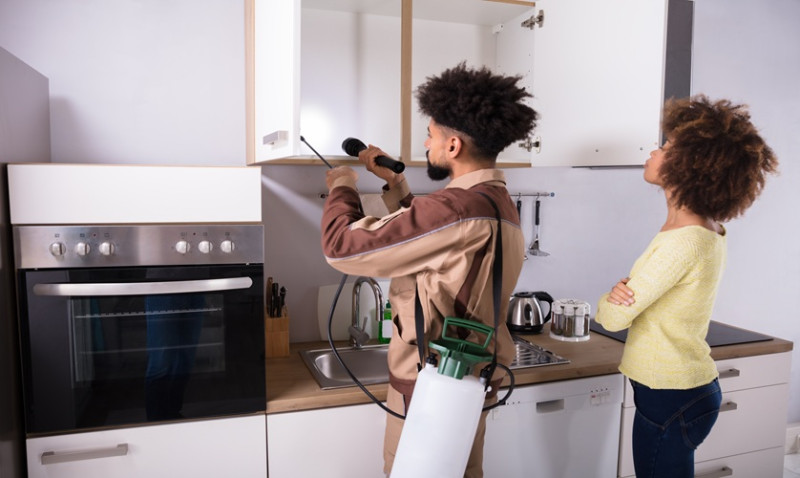
Building or renovating a pest control facility is a serious investment. You need a space that works for storing chemicals safely, maintaining equipment, and potentially housing live cultures or animals. Get the builder wrong, and you're not just wasting money. You could end up with structural problems, regulatory compliance issues, or worse.
I've seen pest control operators lose thousands because they ignored warning signs during the hiring process. Here are the red flags you absolutely need to watch for.
1. They Won't Provide References
A builder who refuses to give you names of recent clients is already hiding something. Call at least three references. Ask them specifically about timekeeping, quality of finish, and whether the builder handled unexpected problems well.
For pest control facilities, ask references whether the builder understood compliance requirements around ventilation, chemical storage, and drainage. This matters more here than on a standard commercial build.
2. No Written Quote or Vague Pricing
"It'll be around thirty to forty grand" is not a quote. You need itemised costs broken down by labour, materials, and specialist work. Vague pricing usually means the builder hasn't thought it through properly or is planning to hit you with surprise charges later.
Request a detailed specification alongside the quote. What materials are specified? What's the timescale? What's included in the price and what isn't? If they resist, walk away.
3. They Can't Explain Building Regs Compliance
Your pest control premises needs to meet Building Regulations. Period. If your builder can't explain which regulations apply to your project, they're not qualified for the job.
Specifically, you need to understand ventilation requirements, fire safety provisions, and electrical compliance. Many pest control operations work with hazardous materials, so proper ventilation isn't optional. It's a legal requirement and a safety issue.
4. They Won't Put It in Writing
If they want to "shake on it" or "start work next week and sort the paperwork out later", do not hire them. A proper contract protects both of you. It should outline scope of work, timescale, payment schedule, and what happens if things go wrong.
Without a contract, you have almost no recourse if the builder abandons the job halfway through or delivers substandard work.
5. They're Dismissive of Your Requirements
You know your business. You know you need proper storage for insecticides separate from other materials. You know you need a secure area for equipment. You know you need good drainage because you're regularly cleaning tools and containers.
If a builder says "Don't worry about it" or "That's overkill" when you explain these needs, they don't understand your industry. Find someone who asks intelligent questions about how you'll actually use the space.
6. Their Previous Projects Look Rushed
Ask to visit sites they've worked on recently. Look at the finish. Are corners cut? Do fixtures and fittings look like they've been installed properly? Is the workmanship consistent?
In a pest control facility, poor workmanship isn't just ugly. A badly sealed corner could let pests into areas where you're storing materials. Dodgy drainage could create contamination problems. Poor ventilation could create safety hazards.
7. They Don't Have Insurance or Won't Prove It
Ask for evidence of public liability insurance and employer's liability insurance. A builder who claims "I've been doing this for twenty years, I don't need it" is a liability nightmare.
If they injure themselves on your property or damage something, you could be held responsible. Check their insurance is current and that the amount of cover is adequate for a commercial build.
8. They Pressure You to Pay Upfront in Full
Payment schedules should be tied to progress. A typical arrangement is a deposit, then payments at agreed milestones, with final payment on completion. Anyone demanding 50% upfront is taking an unreasonable risk with your money.
Never pay for work that hasn't been done or materials that aren't on site. Protect yourself.
9. They're Difficult to Get Hold Of
If they don't answer their phone, don't respond to emails, or are generally evasive during the hiring process, this is how they'll behave once they've got your money. Communication problems now will become major headaches during the build.
You need to be able to reach your builder quickly when decisions need making or problems arise.
10. They Haven't Asked About Your Timescale or Future Plans
A good builder asks about your timeline. Do you need to open in three months or can you work around a longer project? They'll also ask about your plans. Are you planning to expand? Will you need additional storage later?
These questions matter because they affect how the building should be designed. A builder who just wants to build what you've asked for without understanding the bigger picture might miss opportunities to make your space work harder for you.
Trust Your Gut
Beyond these specific red flags, pay attention to how comfortable you feel. Do you trust this person? Do they seem competent and organised? Would you want them representing your business?
A building project takes weeks or months. You'll be dealing with this person regularly. If something feels off, it probably is. There are plenty of good builders out there. Take time to find one who understands your business and treats your project seriously.
Trending articles
-
 Business Rates and Inflation Squeeze: ...
Mar 2026
Business Rates and Inflation Squeeze: ...
Mar 2026
-
 WordPress vs Squarespace vs Wix for ...
Mar 2026
WordPress vs Squarespace vs Wix for ...
Mar 2026
-
 Why Pest Control Companies Need ...
Mar 2026
Why Pest Control Companies Need ...
Mar 2026
-
 Sole Trader or Limited Company? What ...
Mar 2026
Sole Trader or Limited Company? What ...
Mar 2026
-
 What to Expect When Hiring a Pest ...
Mar 2026
What to Expect When Hiring a Pest ...
Mar 2026
-
 Google Ads vs Facebook Ads for Pest ...
Mar 2026
Google Ads vs Facebook Ads for Pest ...
Mar 2026