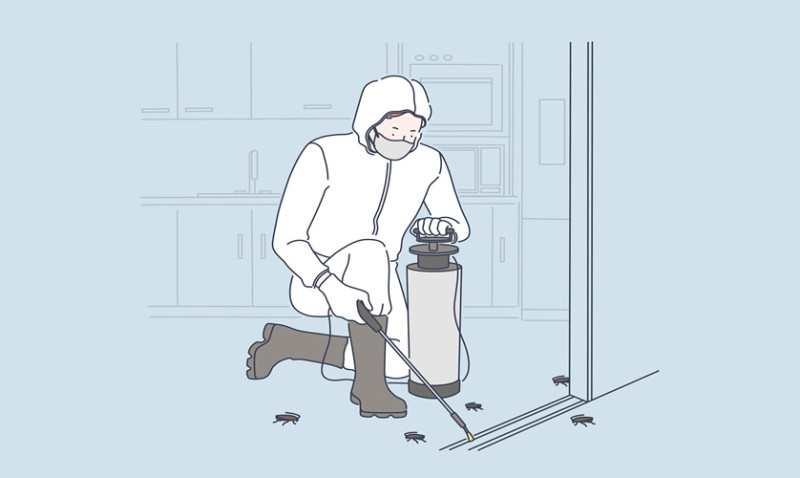
A pest control operator in Swindon told me last month that he hasn't updated his website since 2019. He doesn't need to, he said. His phone rings constantly. Word of mouth keeps him busy enough that he's turned down work.
Fair enough. But let's not mistake his situation for a trend.
The question of whether small pest control businesses need websites in 2026 isn't really yes or no. It's more complicated than that. Your answer depends on who you're trying to reach, where you operate, and what you're willing to sacrifice.
What's Actually Changed Since 2020
Google's local search algorithm has tightened. A Google Business Profile is now nearly mandatory if you want to be found by people searching "pest control near me". That hasn't changed. What has changed is the threshold for appearing credible.
In 2020, having any website meant something. In 2026, having a poor one might mean less than having nothing at all. A website with outdated information, photos of treatments from a decade ago, or promises you don't keep will actively harm your reputation. People notice.
More significantly, competitor density has increased in most UK regions. There are more pest control businesses operating now than five years ago. That compression means visibility matters more, not less.
Where Websites Still Drive Real Business
Let's talk specifics. Residential customers searching for cockroach treatment or wasp nest removal often start with Google. They're looking for immediate answers. Can you handle this? How much does it cost? How quickly can you come out?
A proper website answers these questions before they call you. It shows your credentials, your response times, your service areas, and your pricing structure. In competitive urban areas like London, Manchester, or Birmingham, this matters enormously.
Commercial clients behave differently. Facilities managers at office parks, restaurant chains, or food storage facilities want to see evidence of competence before they talk to you. They want to know about your pest control certifications, your insurance, your health and safety record, and whether you've worked in their industry before. A basic Google Business Profile won't cut it. They'll visit your website and check your credentials page.
Contract work with local councils, schools, and NHS facilities almost always requires an online presence. They expect to find you, review your qualifications, and see proof of compliance with industry standards. If you're not findable online, you won't bid for that work at all.
The Real Cost of Not Having One
Let's say you're a one-person operation covering a rural area in Scotland. You've been doing this for fifteen years. Everyone knows you. You're busy enough that you don't want more work. A website sounds like extra hassle you don't need.
You might be right. But consider what happens when you want to raise prices, when you need a holiday, or when you eventually want to sell the business. A buyer will ask to see your online presence and your customer pipeline. You'll struggle to justify a sale price without demonstrable demand or a visible market position.
Relying entirely on word of mouth also means relying on a shrinking pool of people who know you personally. In industries with high turnover, like facilities management, that pool empties quickly. The person who hired you five years ago has moved on. Their replacement has never heard of you.
There's also the timing question. A customer with a rodent problem at 10 PM on a Saturday night is looking online right now. If you're not there, they'll call the next number on the list.
What Actually Works (Honest Assessment)
A minimal website with the right basics works fine. You don't need anything elaborate.
- A clear description of what you do and which pests you treat
- Your service areas and response times
- Your qualifications and insurance details
- A photo of you or your team, not stock images
- A phone number and email that work immediately
- Recent customer reviews or testimonials
That's genuinely enough. You don't need a blog, a fancy design, or animated graphics. Keep it simple and maintain it properly.
What matters more is your Google Business Profile. Make sure it's complete, accurate, and up to date. This is where most local searches land. If your profile is neglected, no website will save you.
If you're in a competitive market, you also need to show up in local search results when people search for specific problems. "Bed bug treatment in Bristol" should lead to you, not your competitor.
The Honest Middle Ground
Most pest control businesses don't need elaborate websites. You're not running an e-commerce platform or a digital marketing agency. You're fixing a problem in someone's home or workplace.
But you do need to be findable and credible online. That takes a website you've actually thought about. Not one you built five years ago and forgot. One that answers the questions people ask and proves you're legitimate.
If you're in a rural area with a strong reputation and zero competition, you might genuinely get by without one. For everyone else, a basic, well-maintained website paired with an active Google Business Profile is standard now. It's not about being fancy. It's about being there when someone needs you.
The pest control operator in Swindon who hasn't updated his site since 2019? He's operating on borrowed time and local goodwill. That works until it doesn't.
Trending articles
-
 Business Rates and Inflation Squeeze: ...
Mar 2026
Business Rates and Inflation Squeeze: ...
Mar 2026
-
 WordPress vs Squarespace vs Wix for ...
Mar 2026
WordPress vs Squarespace vs Wix for ...
Mar 2026
-
 Why Pest Control Companies Need ...
Mar 2026
Why Pest Control Companies Need ...
Mar 2026
-
 Sole Trader or Limited Company? What ...
Mar 2026
Sole Trader or Limited Company? What ...
Mar 2026
-
 What to Expect When Hiring a Pest ...
Mar 2026
What to Expect When Hiring a Pest ...
Mar 2026
-
 Google Ads vs Facebook Ads for Pest ...
Mar 2026
Google Ads vs Facebook Ads for Pest ...
Mar 2026