
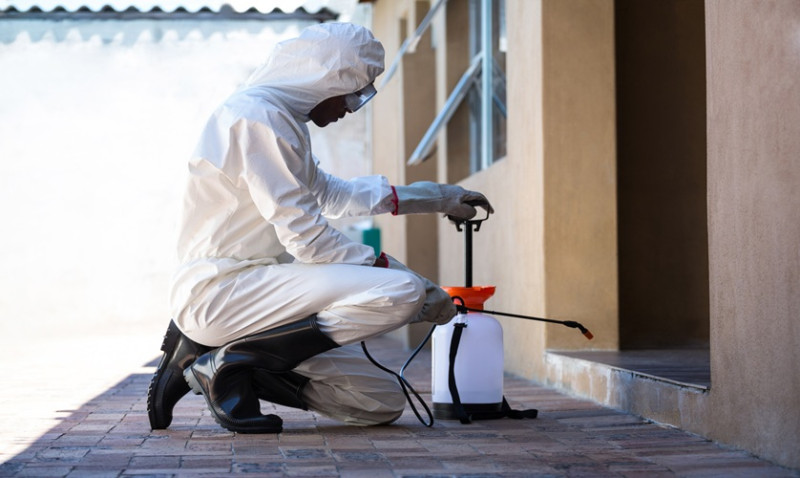
You've paid for a full pest control treatment. The technician arrived, sprayed the kitchen and perhaps one bedroom, then announced they'd be back in a fortnight to finish the rest of the property. Weeks pass. No one shows up. Your wasp nest is still there. The cockroaches haven't stopped appearing. You're left with a partially treated home and a bill you've already paid in full.
This happens more often than it should in the pest control industry. And if it's happened to you, you have legal recourse. The fact that you're dealing with a service rather than a product doesn't change your fundamental consumer rights.
What the Law Actually Says
Under the Consumer Rights Act 2015, any service provided in the UK must be carried out with reasonable care and skill, within a reasonable timeframe, and for a reasonable price. If a pest control company charges you for treatment but doesn't actually complete the work, they've breached that contract. Full stop.
The distinction between what pest control firms sometimes claim and what the law requires matters here. A technician might say "we'll need two visits to fully treat your property" and charge accordingly. But if they only make one visit and vanish, the service hasn't been completed to the standard you paid for. That's not a partial refund situation. That's a breach.
You don't need to accept "we'll get to you eventually" as an answer if you've already paid. That's not how commercial arrangements work.
The Practical Steps to Take
First, contact the company in writing. Not a phone call. Not a text. Write an email or letter clearly stating what you've paid for, what work was actually completed, and that the service remains unfinished. Keep this documentation. Include the date of the visit, the technician's name if you have it, and the invoice number.
Give them 14 days to respond. Most pest control firms will get back to you within this window if they're operating properly. They might schedule a completion visit. They might offer a partial refund. Either way, you need their response in writing.
If they don't respond within 14 days, or if their response is unsatisfactory, that's when escalation becomes necessary. You have the right to pursue the matter through small claims court. For most pest control jobs, you're looking at claims under £10,000, which makes small claims the straightforward route.
Why This Matters More Than It Seems
Pest control isn't like getting your hair cut and deciding you don't like the result. An incomplete treatment leaves your property vulnerable to infestation. A half-treated rodent problem can actually worsen because you've disrupted established patterns without actually eliminating the colony. Wasps that haven't been fully dealt with tend to return more aggressively. You're not just out of pocket. You're also worse off than before.
The financial impact varies wildly depending on what pest you're dealing with. A basic wasp nest removal might cost £80 to £150. A full rodent treatment for a three-bedroom house could run £250 to £400 if completed properly. Commercial premises with a serious infestation might spend over £1,000. If someone's done half the work and vanished, you've lost real money and gained nothing of value.
When You've Been Quoted Wrong
Sometimes the issue is more murky. A company quotes you for what they think is a straightforward rat treatment. They arrive, discover the infestation is far worse than expected, and suddenly tell you it'll be three times the original price with multiple visits spread over a month.
This is genuinely a grey area. If the company has genuinely uncovered a more serious problem than was initially apparent, they're entitled to revise their quote. But they can't just do half a job, leave you in limbo, and expect you to accept their new inflated price. That's not how good customer service works, and it's not what the law permits either.
What you should do here is get the revised estimate in writing. Take time to consider it. If you don't want to proceed with additional spending, you can ask for the work already completed to be made good enough to stop further infestation. That's a reasonable middle ground. They've been paid for something. That something needs to be of acceptable standard.
The Role of Online Reviews
Before pursuing legal action, consider the informal route. A detailed review on Trustpilot or Google highlighting exactly what happened, with dates and amounts, often gets management attention faster than anything else. Companies care about their online reputation. A review stating "paid £300 for rat treatment, technician left after 90 minutes, promised a follow-up visit five weeks ago, haven't heard from them since" is far more damaging to their business than a small claims court case.
This isn't a threat. It's just reality. Many firms will offer a full refund or completion of work immediately when faced with the prospect of poor reviews. That said, don't threaten reviews in your initial contact. That looks unprofessional and potentially actionable. Just document everything, pursue proper channels first, and if you do leave a review later, stick to the facts.
Prevention Is Better Than Dispute Resolution
For those still choosing a pest control company, make sure your contract is clear about what's being included. How many visits? What specific areas? What happens if the problem persists? Get all of this in writing before you pay anything. A £100 upfront deposit with the balance due on completion is entirely reasonable and quite common in the industry.
Check the company's credentials. Are they registered with the British Pest Control Association? Do they have genuine reviews on established platforms? A company with a track record doesn't materialise out of nowhere, complete half a job, and vanish.
Moving Forward
If you're currently dealing with incomplete pest control work, you're not stuck. You have options, and you have rights. Contact the company formally. Document everything. Give them the opportunity to fix it. If they refuse or ignore you, small claims court is genuinely accessible for ordinary people with straightforward cases.
The pest control industry largely works well. Most technicians are conscientious and complete their jobs properly. But when things go wrong, you're not without protection. Know what you're entitled to and don't accept less.
Trending articles
-
 Business Rates and Inflation Squeeze: ...
Mar 2026
Business Rates and Inflation Squeeze: ...
Mar 2026
-
 WordPress vs Squarespace vs Wix for ...
Mar 2026
WordPress vs Squarespace vs Wix for ...
Mar 2026
-
 Why Pest Control Companies Need ...
Mar 2026
Why Pest Control Companies Need ...
Mar 2026
-
 Sole Trader or Limited Company? What ...
Mar 2026
Sole Trader or Limited Company? What ...
Mar 2026
-
 What to Expect When Hiring a Pest ...
Mar 2026
What to Expect When Hiring a Pest ...
Mar 2026
-
 Google Ads vs Facebook Ads for Pest ...
Mar 2026
Google Ads vs Facebook Ads for Pest ...
Mar 2026