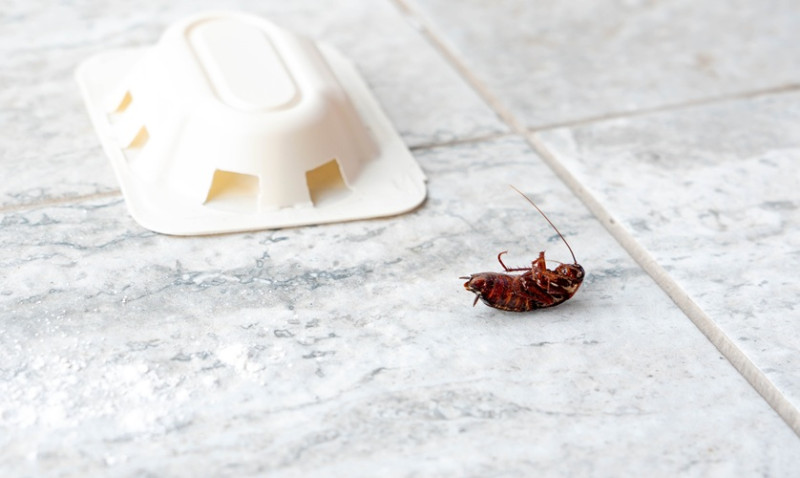
You're running a pest control business. You've got callouts booked, a website that works, and probably a Google Local Services ad running. Someone in your team mentions TikTok. "Our nephew gets loads of views there," they say. "Shouldn't we be on it?"
It's a fair question. But the honest answer is messier than a rat infestation in a warehouse.
Who's Actually Using TikTok in 2026
Let's start with numbers. TikTok in the UK has roughly 18 million users. That sounds big until you realise the age split. Over 60% of UK TikTok users are between 16 and 24 years old. Another 25% are 25 to 34. That's your actual audience.
Now think about your typical pest control customer. They're running a restaurant with a cockroach problem. Or they're a homeowner in their 50s who's spotted a rat in the loft. They're searching Google at midnight, panicked. They're not scrolling TikTok at 2am looking for a wasp nest removal.
This doesn't mean TikTok is useless for your sector. It means you need to be ruthlessly honest about whether your customer base hangs out there.
The Genuine TikTok Wins for Pest Control
Some pest control businesses are seeing traction. But not the way you might think.
A pest control operator in Manchester has 14,000 followers by posting 30-second videos of termite colonies being treated. No sales pitch. Just footage of larvae getting hit with spray, the satisfying moment a wasp nest comes down, rats fleeing a burrow. The comments are full of people saying "absolutely vile" and "can't stop watching." That's not a customer base. That's an audience for entertainment.
Some of those people do end up calling him when they have a pest problem. He gets maybe one lead per 5,000 views. That's roughly 0.02% conversion. Compare that to Google Local Services, where qualified leads land directly in your inbox because someone actively searched for "pest control near me."
There is one genuine use case: if you're trying to build a reputation in a specific locality and you're younger than 40, TikTok can help with local brand awareness. If you're known in Nottingham for handling commercial infestations and you post regular content, some property managers and restaurant owners do see it. But that's a very narrow lane.
What TikTok Actually Demands From You
Here's what people gloss over. TikTok works only if you post at least 3 or 4 times per week. Not occasionally. Not when you remember. Weekly. That's 150 to 200 videos per year. You need decent phone footage, quick editing, and consistency.
If you're a sole trader managing three callouts a day, this becomes a real cost. Either you're filming and editing in your downtime, or you're paying someone £300 to £500 a month to do it. For a channel that might generate one qualified lead every few months.
TikTok's algorithm is also opaque. A video of yours might get 50,000 views one week and 300 the next. You have no control over reach. With Google Local Services, you control your budget and you know what you're paying per lead.
When TikTok Actually Makes Sense
There are genuine scenarios where it works.
You're a pest control company with a strong team and you want to differentiate on personality. You hire someone part-time specifically for social media. They film your technicians at work, they create educational content about pest prevention, they answer common questions. You're not expecting instant leads. You're building long-term brand recognition in your region. This can work, but it's a 12 to 18 month play.
You're targeting commercial clients in the hospitality sector. Restaurant managers and hotel chains do use TikTok, and if you're posting case studies of your work in food premises, some of them will notice. But you'd probably be better off on LinkedIn anyway.
You're young, you enjoy video production, and you're genuinely interested in content creation as part of your business model, not just a chore. In that case, go ahead. But know it's a marketing activity, not a sales tool.
What's Actually Working in 2026
If you're going to spend marketing time, here's what genuinely moves the needle for pest control.
Google Local Services is still the heavyweight champion. Homeowners and businesses search for pest control and your ad appears. The lead quality is high. You know exactly what you're paying. It works.
Google Business Profile reviews matter more now than they did three years ago. If you have 50 reviews at 4.8 stars and your competitor has 8 reviews, customers notice. That's where you should focus time. Ask customers to leave a review after the job is done.
A simple email newsletter to past customers letting them know you're available and offering preventative inspections generates repeat work. Almost zero cost. Consistent returns.
YouTube matters more than TikTok for your sector. People searching "how to prevent rats" or "where do wasps nest" will find your videos. Those searches convert better because they're from people actively thinking about pest problems.
The Honest Conclusion
Should you be on TikTok in 2026? Only if you're willing to do it properly and you understand the return will be slow or non-existent.
If you've got a small pest control business and limited marketing budget, you're better off perfecting your Google Local Services ad, getting more reviews, and maintaining a YouTube channel with useful content.
If you've got time and interest in video production, TikTok is a nice-to-have, not a must-have. Start it only if you can commit to posting regularly for six months without expecting leads.
Your customers aren't scrolling TikTok when they discover a wasp nest. They're panicking and searching Google. That's where your money should go.
Trending articles
-
 Business Rates and Inflation Squeeze: ...
Mar 2026
Business Rates and Inflation Squeeze: ...
Mar 2026
-
 WordPress vs Squarespace vs Wix for ...
Mar 2026
WordPress vs Squarespace vs Wix for ...
Mar 2026
-
 Why Pest Control Companies Need ...
Mar 2026
Why Pest Control Companies Need ...
Mar 2026
-
 Sole Trader or Limited Company? What ...
Mar 2026
Sole Trader or Limited Company? What ...
Mar 2026
-
 What to Expect When Hiring a Pest ...
Mar 2026
What to Expect When Hiring a Pest ...
Mar 2026
-
 Google Ads vs Facebook Ads for Pest ...
Mar 2026
Google Ads vs Facebook Ads for Pest ...
Mar 2026