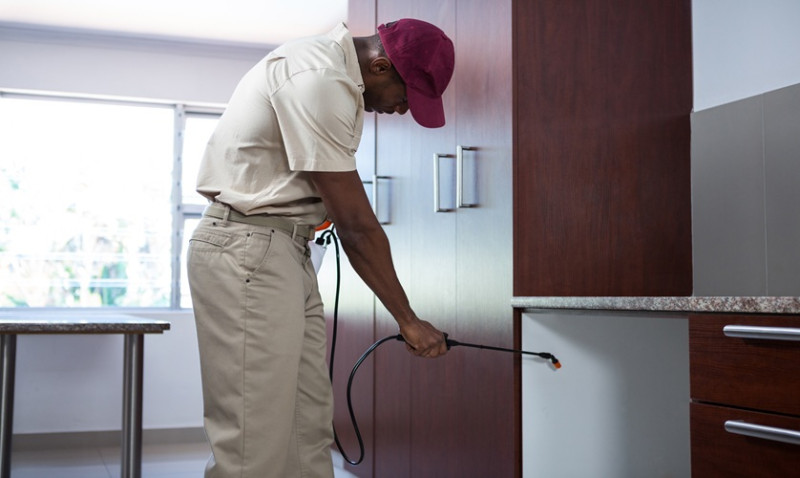
Running a pest control business means dealing with chemicals, customer premises, and liability concerns. Going limited isn't just about sounding more professional on your van door. It separates your personal assets from the business itself. If something goes wrong on a job, your house and savings aren't at immediate risk. Plus, clients and local authorities take limited companies more seriously than sole traders.
You'll also pay corporation tax on profits rather than income tax, which often works out cheaper once you're earning a decent turnover. Most pest control businesses earning over £50,000 annually benefit from this structure.
What You'll Need Before Starting
Have these things ready before you go near Companies House.
- Your chosen company name (must be unique and available)
- Registered office address, which can be your home or a commercial space
- Details of all directors and shareholders
- Confirmation of how shares will be divided
- Your National Insurance number
- Proof of identity such as a passport
The registered office is where official documents get sent. For a pest control business, this is often your home address or a small office space. It doesn't have to be where you actually operate from.
Step 1: Check Your Company Name Is Available
Your company name matters. It'll be on your letterhead, invoices, and the side of your vehicle. You can't register a name that's already taken or too similar to an existing company. Pest control traders often use their location or specialism in the name, like "North Bristol Pest Control Ltd" or "Commercial Rodent Solutions Ltd".
Search the Companies House register online for free. Type in potential names and see what comes back. You can also search for trade names and check if anyone's already registered something confusingly similar. This takes ten minutes and saves you headaches later.
Avoid names suggesting you offer services you don't, or claiming government approval. Names like "Official Pest Control" or "NHS Approved Pest Services" will get rejected straight away.
Step 2: Decide on Your Director and Shareholder Setup
You'll need at least one director. This can be you, a business partner, or someone else entirely. Directors run the company and are responsible for keeping proper records. Most pest control operators are sole directors of their own company, meaning they make all the decisions and keep all the profit.
If you're bringing in a business partner, you'll decide how to split the shares. A 50/50 split is common, but you might go 70/30 or any other arrangement. Each shareholder's stake is recorded at Companies House, so be clear about this before you register.
You don't need to be a director to be a shareholder. Some pest control operators bring in an investor who owns shares but doesn't run day-to-day operations. That's perfectly legal, but get it in writing.
Step 3: Prepare Your Memorandum and Articles of Association
These are your company's rulebook. They set out how decisions get made, what directors can do, how profits are distributed, and what happens if someone wants to sell their shares.
Companies House provides default versions called Model Articles. Most small pest control businesses just use these and don't bother customising them. They cover everything you need unless you have unusual arrangements with partners or investors.
If you're going solo, the Model Articles take about thirty seconds to accept. If you're working with partners, take an hour to read through them properly and check they match what you've agreed.
Step 4: Register Online at Companies House
You register through the Companies House website. Go to their online filing service and create an account. You'll need to confirm your email address and create a password. This account lets you file documents and check your company's information whenever you need to.
Fill in form IN01, which is the main incorporation form. It takes about 20 minutes and asks for the information you've already gathered. The form captures your company name, registered office address, director details, shareholder details, and share breakdown.
You'll also file form AP01, which declares that everyone involved consents to the company being set up. Every director and shareholder needs to agree to this. There's no signature required if you're filing online, but you're making a legal declaration.
Step 5: Pay the Filing Fee and Submit
As of 2024, registering a limited company costs £12 if you file online. There's no charge if you're a microbusiness meeting specific criteria, but most pest control operators will pay the £12. It's a one-off fee, not recurring.
Submit your forms online. Companies House will instantly assign you a company number and send you a confirmation email. You don't wait days or weeks. Within four working days, you'll receive your Certificate of Incorporation through the post. This is your proof that the company officially exists.
Step 6: What Happens After Registration
Once you've got your certificate, you're officially a limited company. Open a business bank account. Your bank will want to see your Certificate of Incorporation, proof of your registered office address, and identification.
From day one, you must keep proper records. Companies House requires you to maintain a register of directors and shareholders, register of charges (if you borrow money secured against company assets), and annual accounts. For a small pest control business, this might just be basic spreadsheets and receipts, but it must be done.
File accounts every year. Even if your business lost money or made a small profit, you still file. The deadline is usually nine months after your accounting year ends. Penalties for late filing start at £150 and go up from there.
Common Mistakes Pest Control Operators Make
Don't register a company name that's vague or generic. "Pest Control Solutions Ltd" might seem clever, but it won't help customers find you online or remember who you are.
Don't give a residential address as your registered office if you're planning to work from different client premises every day. Use your home if it's genuinely where post gets delivered, but consider a virtual office address if you're mobile.
Don't forget to tell Companies House if you move premises, change directors, or issue new shares. These updates are quick and straightforward, but they're required by law.
Don't assume that once the company's registered, you can ignore Companies House. File your accounts on time. It's not difficult, and the penalties for not doing it are genuinely painful.
Getting Help If You Need It
Most pest control operators register their company in under an hour. If you're unsure about anything, Companies House has free guidance on their website, and their customer service team answer the phone. You can also work with an accountant or company formation agent, though expect to pay £40 to £150 for that service.
It's genuinely one of the simpler parts of setting up a business. The important bit happens afterwards, when you actually run it properly and keep your records in order. That's where people often stumble.
Trending articles
-
 Business Rates and Inflation Squeeze: ...
Mar 2026
Business Rates and Inflation Squeeze: ...
Mar 2026
-
 WordPress vs Squarespace vs Wix for ...
Mar 2026
WordPress vs Squarespace vs Wix for ...
Mar 2026
-
 Why Pest Control Companies Need ...
Mar 2026
Why Pest Control Companies Need ...
Mar 2026
-
 Sole Trader or Limited Company? What ...
Mar 2026
Sole Trader or Limited Company? What ...
Mar 2026
-
 What to Expect When Hiring a Pest ...
Mar 2026
What to Expect When Hiring a Pest ...
Mar 2026
-
 Google Ads vs Facebook Ads for Pest ...
Mar 2026
Google Ads vs Facebook Ads for Pest ...
Mar 2026