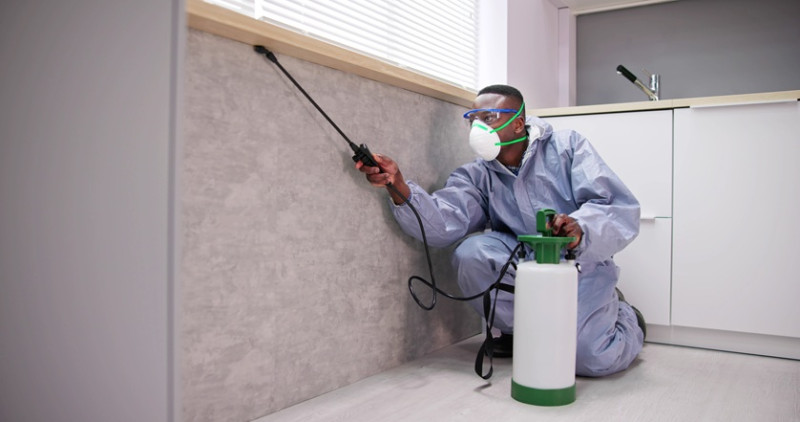
Running a pest control business exposes you to specific risks that standard business insurance won't cover. You're handling chemicals, entering residential and commercial properties, and making promises about results. One bad situation, one customer complaint, or one accident on site can derail everything you've built.
The problem is that many pest control operators don't fully understand which policies they need. Some carry too little cover. Others pay for unnecessary add-ons. This article walks through the main insurance types that actually matter for your operation.
Public Liability Insurance
This is non-negotiable. Public liability covers damage to property or injury to third parties caused by you or your staff during work.
Picture this: you're treating a commercial kitchen for cockroaches. Your technician accidentally spills a chemical treatment on the manager's laptop. Or a customer trips over your equipment while you're working in their garden. Public liability pays for the repairs, the medical bills, and the legal costs if someone sues.
Most customers won't hire a pest control firm without proof of public liability. Many contracts explicitly require it. You'll typically want £1 million to £6 million in cover, depending on the size of your jobs and your turnover. A basic £1 million policy costs between £150 and £300 annually for small operators.
Check that your policy covers chemical treatments specifically. Some standard policies have exclusions for hazardous substances, which is useless for your work.
Employers' Liability Insurance
If you employ anyone, this is legally mandatory. Full stop. The Employers' Liability (Compulsory Insurance) Act 1969 requires you to hold at least £5 million in cover.
This protects you if an employee gets injured or ill because of work conditions. In pest control, examples include respiratory issues from chemical exposure, repetitive strain injuries, or an accident while accessing a loft to check for rodents.
You must display your employers' liability certificate in your workplace where staff can see it. The cost is usually £200 to £500 per year for small teams.
Professional Indemnity Insurance
This one stops you from losing everything if a customer sues because the work didn't deliver what they expected.
Say you treat a property for bed bugs but miss an infestation, and the customer spends hundreds on new furniture. Or you guarantee that a wasp nest won't return, but wasps come back after two weeks. The customer takes legal action. Professional indemnity covers your legal fees and any compensation you're ordered to pay, up to the policy limit.
It also covers claims arising from poor advice. If you recommend a specific treatment that turns out to be unsuitable for their situation, professional indemnity is your protection.
Costs range from £200 to £600 annually depending on your turnover and claims history. Many insurers want evidence that you use up-to-date methods and stay current with training.
Equipment and Vehicle Coverage
Your van, spraying equipment, and specialist gear represent real capital. You need coverage for damage, theft, and breakdowns.
Commercial vehicle insurance is different from personal car insurance. It covers business use and usually includes tools left in the vehicle. Make sure your policy covers the specialist equipment you carry. A high-end fumigation setup or thermal imaging camera for bed bug detection isn't covered by default on standard van policies.
Some operators use a contents policy to insure equipment at their base or storage location. This protects against theft of stock, mixing tanks, and safety gear.
Cyber and Data Protection
This might sound odd for a pest control business, but it matters more than most realise.
You collect customer data when they book treatments. You might hold payment card information or send invoices via email. Under UK data protection law, you must protect this information. If your systems are breached, you could face fines and compensation claims.
A basic cyber insurance policy costs £200 to £400 annually and covers breach notification costs, customer notification, and regulatory fines up to certain limits. It's worth getting if you store customer records digitally, which virtually all pest control businesses do.
Specialist Covers Worth Considering
Depending on your services, you may need additional policies.
If you treat food businesses like restaurants or food factories, you might want specific hygiene liability cover. This goes beyond standard public liability to cover contamination risks.
If you use fumigation or other advanced chemical treatments, check whether your public liability covers these methods. Some insurers exclude high-risk treatments or require separate fumigation insurance.
Loss of income insurance protects you if you can't work due to illness or accident. This matters if you're a sole operator and your income stops when you stop working.
Getting the Right Deal
Shop around. Quotes vary wildly between insurers, sometimes by hundreds of pounds for identical cover. Use a broker who works with the pest control sector. They'll know what exclusions matter and which insurers are easy to deal with when you need to claim.
Be honest on application forms. Underreporting your turnover or hiding previous claims will invalidate your cover when you need it most.
Review your policies annually. As your business grows, your coverage needs will change. A £1 million public liability limit might be too low if you're now handling large commercial contracts.
Final Thought
Insurance isn't glamorous, but it's the difference between a bad situation and a ruined business. The right cover costs a few hundred pounds per year. Getting it wrong costs everything.
Trending articles
-
 Business Rates and Inflation Squeeze: ...
Mar 2026
Business Rates and Inflation Squeeze: ...
Mar 2026
-
 WordPress vs Squarespace vs Wix for ...
Mar 2026
WordPress vs Squarespace vs Wix for ...
Mar 2026
-
 Why Pest Control Companies Need ...
Mar 2026
Why Pest Control Companies Need ...
Mar 2026
-
 Sole Trader or Limited Company? What ...
Mar 2026
Sole Trader or Limited Company? What ...
Mar 2026
-
 What to Expect When Hiring a Pest ...
Mar 2026
What to Expect When Hiring a Pest ...
Mar 2026
-
 Google Ads vs Facebook Ads for Pest ...
Mar 2026
Google Ads vs Facebook Ads for Pest ...
Mar 2026