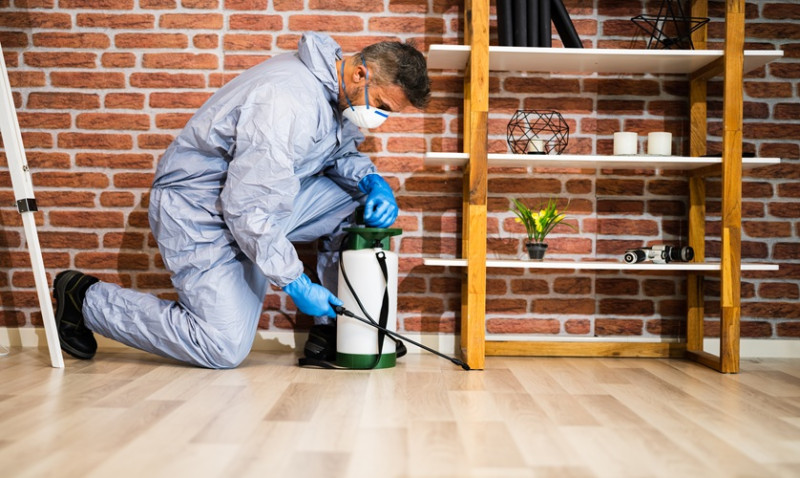
A homeowner wakes up to find droppings in their kitchen. They're horrified. They pull out their phone and search "pest control near me" before breakfast. What they see next determines whether you get their call or your competitor does.
It's not the fancy website anymore. It's not your years of experience or your certifications. It's what previous customers say about you on Google, Trustpilot, and industry-specific platforms. That's the reality of 2026.
Research from Bright Local found that 91% of consumers read online reviews for local services. For pest control specifically, that number matters because people are trusting you to enter their homes and handle potential health risks. They're not choosing based on a hunch. They're choosing based on what they read.
Why Pest Control Is Different from Other Services
Pest control sits in an awkward space. It's not a one-off purchase like a pizza delivery. It's not a long-term relationship like a dentist. Someone might use you once for a wasp nest, or call you back four times a year for preventative treatments. Either way, they're inviting you into their space and expecting results.
That creates a specific review problem. A customer's satisfaction depends on whether the wasps actually stay gone. It depends on whether you showed up on time. It depends on whether they felt comfortable with someone spraying chemicals in their living room. A single poor experience generates a detailed, angry review. A good experience might not generate a review at all.
This imbalance means your negative reviews carry more weight than your positive ones. A homeowner who had a good experience might mention it casually to a neighbour. But the person who paid £150 for a treatment that didn't work will post about it online within hours.
The Algorithm Favours Recent Reviews
Google's algorithm doesn't care how many five-star reviews you accumulated in 2023. It prioritises recent activity. A one-star review posted last week hits harder than ten five-star reviews from six months ago.
This means maintaining your reputation isn't a one-time project. It's ongoing. You need a consistent flow of fresh, positive reviews. If you go three months without new feedback, older negative reviews start to dominate the page.
For pest control companies, this creates a practical challenge. You're busy during spring and summer dealing with enquiries and treatments. Winter is quieter. That means fewer customers in winter, fewer review opportunities, and older complaints becoming more visible when people search for help.
Trust Beats Advertising Spend
You can spend thousands on Google Ads to appear at the top of search results. But a searcher seeing five four-star reviews will often click on the organic result instead. They trust genuine customer feedback more than an advert.
This reality hits particularly hard for smaller pest control operators competing against national chains. You can't outspend Rentokil on advertising. But you can outcompete them with authentic, detailed reviews from real local customers. That's your actual advantage.
A customer who writes "The team arrived on time, explained exactly what they were doing, and the mice are gone" carries more weight than any marketing copy you could write yourself.
The Negative Review Spiral
Here's where it gets serious. A pest control company with mostly poor reviews doesn't just lose individual customers. It starts to lose its entire online visibility.
When your review score is 2.5 stars, Google and other platforms start burying you in search results. People see you lower on the page. Fewer people click. Fewer calls come through. Your revenue drops. With less work coming in, you have fewer opportunities to gather positive reviews. The spiral accelerates downward.
Meanwhile, your competitor with a 4.7-star rating gets featured prominently. They get more enquiries. More jobs mean more review opportunities. The gap widens.
What Actually Gets People to Leave Reviews
Asking for reviews doesn't work equally well across the board. A simple email saying "Please review us" generates almost nothing. But a targeted request at the right moment works significantly better.
For pest control, the best moment is two to three days after the job is complete. Long enough that the customer can see results, but soon enough that they're still thinking about the experience. A text message asking for feedback works better than email. A follow-up call asking if the treatment was successful, combined with a link to your review page, converts better than either alone.
Some pest control operators now include QR codes in their invoices linking directly to review pages. Others send appointment reminders that include gentle review requests. These small systems generate five to ten times more reviews than doing nothing.
Managing the Reviews You Get
Not every negative review is fair. Sometimes a customer misunderstands the treatment process or has unrealistic expectations. Sometimes they're unhappy about something outside your control.
Responding to these reviews matters more than ignoring them. A measured, professional response to a negative review shows other potential customers that you take feedback seriously. It demonstrates that you're willing to resolve problems.
The key is responding without defensiveness. "I'm disappointed you felt this way. Can we schedule a follow-up treatment at no charge to ensure you're satisfied?" works far better than "This customer didn't understand how pest treatment works."
The Business Impact Is Real
A pest control company with a 3.2-star rating typically receives 40% fewer enquiries than an identical company with a 4.6-star rating operating in the same area. That's not anecdotal. That's measurable business loss.
Building a strong review presence isn't optional anymore. It's essential infrastructure. Companies that treat reviews as a core business priority rather than a nice-to-have genuinely do better.
In 2026, your reputation online is your reputation. Full stop.
Trending articles
-
 Business Rates and Inflation Squeeze: ...
Mar 2026
Business Rates and Inflation Squeeze: ...
Mar 2026
-
 WordPress vs Squarespace vs Wix for ...
Mar 2026
WordPress vs Squarespace vs Wix for ...
Mar 2026
-
 Why Pest Control Companies Need ...
Mar 2026
Why Pest Control Companies Need ...
Mar 2026
-
 Sole Trader or Limited Company? What ...
Mar 2026
Sole Trader or Limited Company? What ...
Mar 2026
-
 What to Expect When Hiring a Pest ...
Mar 2026
What to Expect When Hiring a Pest ...
Mar 2026
-
 Google Ads vs Facebook Ads for Pest ...
Mar 2026
Google Ads vs Facebook Ads for Pest ...
Mar 2026