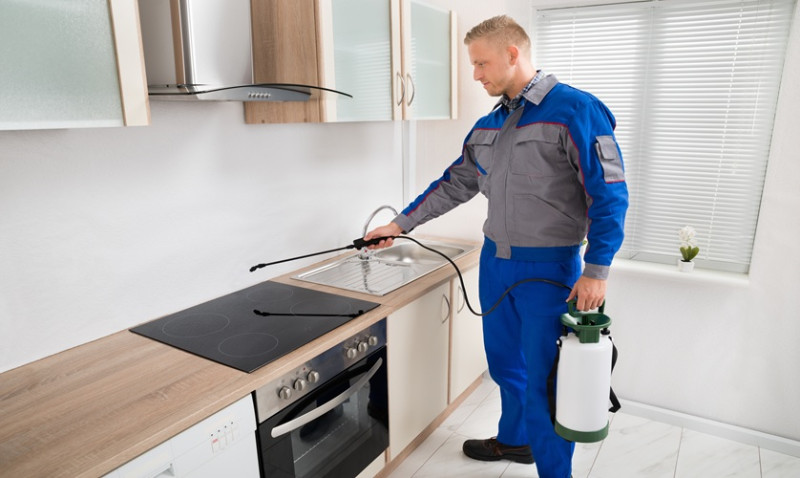
Making Tax Digital 2026 sounds like another acronym from HMRC's ever-growing pile. But if you run a pest control business as a sole trader or own properties you manage yourself, this one actually matters. From April 2026, HMRC is tightening the rules around how small businesses file their tax returns. No more paper forms. No more spreadsheets hidden in email folders. Everything goes digital, and it gets submitted in real time.
The government's already made Making Tax Digital compulsory for VAT-registered businesses. Now they're extending it to income tax. If you're turning over more than £50,000 a year in pest control work, or you're filing a Self Assessment return at all, you'll be affected.
Are you caught by the new rules?
Let's be practical. You're caught by Making Tax Digital 2026 if any of the following apply to you:
- You're a self-employed pest control technician, surveyor or business owner with a turnover above £50,000
- You own buy-to-let properties and file a Self Assessment return
- You're a landlord with multiple rental properties generating significant income
- You've got multiple income streams, such as pest control work plus rental income
If your turnover is under £50,000 and you have no other significant income, you're not technically forced to use digital tools yet. But that exemption expires. HMRC's clearly moving everyone in this direction eventually.
What changes between now and April 2026?
The specifics are still being finalised, but the core change is straightforward. Instead of filing a paper return once a year, you'll need to keep digital records and submit information to HMRC throughout the year. Think quarterly reports rather than an annual catch-up.
For a pest control operator, this means your invoices, expense receipts, mileage logs and bank statements all need to be held digitally from day one. You can't photograph a receipt on your phone and lose the original. You need proper record-keeping software that talks to HMRC's systems.
Landlords face something similar. Your rental income records, property maintenance invoices, council tax bills, insurance premiums. All of it needs to feed into a digital system that HMRC can access or audit.
The software headache
You'll need compatible accounting software. HMRC publishes a list of approved products. Some are free or cheap. Others cost £15 to £30 a month depending on features. Popular options include Xero, FreeAgent, Sage, Wave and others. Most integrate with your bank account, which saves time.
For a pest control business specifically, you might want software that handles invoicing, expense tracking and mileage logs in one place. If you're claiming mileage allowance for driving between jobs, you need to prove it. Digital records make that easier.
Landlords should look for software with a rental property section. It separates your lettings income from other sources and makes the numbers clearer come tax time.
The cost is a business expense, so at least it's deductible.
What about accountants?
If you use an accountant now, you can still use one after April 2026. They'll just work differently. Instead of you handing over a shoe box of receipts once a year, you'll share access to your digital records. They can pull the information directly from your accounting software.
Some accountants are charging extra for Making Tax Digital administration. Shop around. A good accountant should see this as a tool that makes their job easier, not more expensive.
One tip: if you're currently doing your own accounts and thinking about switching to an accountant, now's a good time. They can set up the right systems with you from the start.
Practical steps for pest control operators
Start now, don't wait until 2026. Pick an accounting software package that works for you. Most offer free trials. Try a couple. See which feels natural to use.
Get your records in order immediately. If you're storing receipts in a drawer, take photos of everything going forward and file them digitally. If you're tracking expenses in a notebook, move that to a spreadsheet or accounting software.
If you drive to client sites, start keeping proper mileage records. A simple spreadsheet with date, location and miles is fine for now, but HMRC expects detail. They want to know you actually travelled those miles for work.
Keep your bank statements. Digital copies are fine. HMRC will want to reconcile your records with what your bank actually processed.
If you're a landlord as well as running a pest control business, separate the accounts. Use different bank accounts if you can. It makes everything clearer.
The penalty side
HMRC gets tougher on late submissions and mistakes when everything's digital. They'll expect faster corrections. Penalties for not keeping digital records or missing submission deadlines are likely to be higher than they are now.
The bigger risk is interest on late tax payments. If HMRC can see your records in real time and you haven't set money aside for tax, it becomes harder to argue you didn't know you owed it.
What you should do right now
Contact your accountant or a tax advisor and ask them specifically how Making Tax Digital 2026 affects you. Don't rely on generalisations. Every business situation is different.
Get a digital accounting system set up while you've still got time to learn it properly.
If you're VAT-registered already, you're halfway there. You already know how Making Tax Digital works. The income tax version is similar in principle.
Set aside time in 2025 to transition your records fully. It's not a job you want to rush in March 2026.
For pest control businesses specifically, make sure your software handles job invoicing properly. You need clear records of what work you did, when you did it and who paid you.
The rules are coming. You've got two years to prepare. Using that time sensibly now means April 2026 won't feel like a crisis.
Trending articles
-
 Business Rates and Inflation Squeeze: ...
Mar 2026
Business Rates and Inflation Squeeze: ...
Mar 2026
-
 WordPress vs Squarespace vs Wix for ...
Mar 2026
WordPress vs Squarespace vs Wix for ...
Mar 2026
-
 Why Pest Control Companies Need ...
Mar 2026
Why Pest Control Companies Need ...
Mar 2026
-
 Sole Trader or Limited Company? What ...
Mar 2026
Sole Trader or Limited Company? What ...
Mar 2026
-
 What to Expect When Hiring a Pest ...
Mar 2026
What to Expect When Hiring a Pest ...
Mar 2026
-
 Google Ads vs Facebook Ads for Pest ...
Mar 2026
Google Ads vs Facebook Ads for Pest ...
Mar 2026