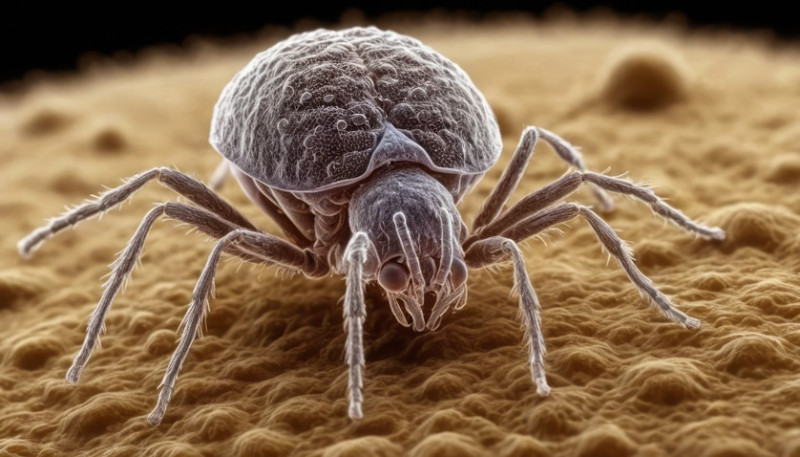
London's urban environment brings specific pest problems. Victorian terraces battle rodents, while city-centre offices deal with commercial infestations. Before searching for a pest controller in London, identify what you're actually dealing with. Rats and mice require urgent attention due to health risks. Bed bugs need specific treatment protocols that differ from general insect control.
Start by inspecting your property thoroughly or asking a technician to diagnose the problem. Droppings in the attic, cockroaches in the kitchen, or wasp nests in the garden all demand different expertise. Commercial properties face stricter regulatory requirements than residential ones, particularly in food handling areas and documentation.
Assess how severe your infestation is. A single wasp nest might need immediate removal. Persistent rodent activity typically requires ongoing monitoring and prevention rather than a single treatment.
Key Credentials and Certifications to Check
Legitimate pest controllers in London must hold proper qualifications. The essential credential is BPCA (British Pest Control Association) membership. This shows the company follows strict industry standards and ethical practices. BPCA-certified professionals complete rigorous training and continue their professional development throughout their careers.
Verify that your provider holds a current Pesticide Application Certification (PAC). This proves they've passed exams on chemical safety, application techniques, and environmental protection. Improper pesticide handling can endanger your family, pets, and local wildlife. Companies should carry public liability insurance of at least £1 million to protect you if damage occurs during treatment.
Environmental health registration matters greatly for commercial clients. If you run a restaurant, café, or food storage facility, you need pest control companies that understand Food Standards Agency requirements. Look for companies displaying Healthline Accreditation or similar food safety certifications.
Ask potential contractors about training records and whether individual technicians hold certifications or work only under company credentials. Reliable professionals discuss their qualifications openly and provide copies on request.
Researching Local Pest Control Companies
Start by gathering recommendations from multiple sources. Word-of-mouth referrals from neighbours, friends, or local businesses give genuine insights into service quality, reliability, and pricing. Online reviews on Google, Trustpilot, and industry directories show patterns about response times, treatment effectiveness, and customer communication.
Read specific review comments rather than just star ratings. Look for information about technician professionalism, whether follow-up visits happened as promised, and whether the company resolved issues. Watch for red flags: consistently negative reviews about safety, refusals to provide written quotes, or vague treatment descriptions.
Build your shortlist by:
- Checking BPCA member directories on the official website to confirm legitimacy
- Reading detailed Google reviews that focus on treatment outcomes and communication
- Asking local property management companies or facilities managers for recommendations
- Contacting your local environmental health department for approved contractors
- Searching industry forums where professional pest controllers discuss best practices
Professional websites should display contact information, service areas, and qualifications clearly. Companies that hide credentials, operate only via mobile numbers, or lack a professional web presence deserve caution. Legitimate providers invest in transparent online presence because reputation directly affects their business.
Requesting and Comparing Quotations
Never accept the first quote. Compare quotes from at least three providers to understand market rates and ensure fair value. Detailed quotations should specify exactly what treatment will happen, what chemicals or methods will be used, how many visits are scheduled, and what guarantee applies afterwards.
Quality quotes include information customers often miss. Reputable companies explain the pest's lifecycle to justify why multiple treatments might be needed, describe preventative measures you can implement, and outline what happens if the problem returns within the guarantee period. Vague quotes stating "£250 for treatment" without explanation are unhelpful and misleading.
When comparing prices, consider:
- Whether the quote includes follow-up inspections or only initial treatment
- If the company provides written reports documenting treatment and findings
- Whether pricing covers pest proofing advice to prevent future infestations
- What customer support or phone consultations are available if problems recur
- Whether the company offers seasonal or contract pricing for ongoing monitoring
The cheapest option rarely delivers the best service. Companies significantly undercutting competitors might use substandard products, rush treatments, or lack proper insurance. Professional pest control services require expertise, time, and responsibility. Pricing should reflect that value. Request quotes in writing and ask questions about anything unclear before committing to a provider.
Questions to Ask Before Booking
Your consultation conversation shows how well a company understands your situation. Ask how they'll identify the pest species—different pests require completely different approaches. A competent technician will ask detailed questions about where you've seen pests, entry points you've noticed, and what damage has occurred, rather than assuming what you need.
Inquire about treatment safety, especially if children or pets live in your home. Request information about all chemicals they'll use, whether safer alternatives exist, and what precautions they take during and after application. Companies using integrated pest management (IPM) combine chemical treatments with physical prevention, often producing better long-term results than chemicals alone.
Ask about guarantee terms specifically. Most reputable companies guarantee results for 30-90 days, though some offer longer warranties. Understand what happens if pests return. Do they provide free retreatment or charge you again? Clarify whether the guarantee covers new infestations or only reinfestations of the original problem.
Request information about response time for emergencies, availability for evening or weekend treatments if needed, and how they handle communication updates. Reliable companies provide technician mobile numbers or clear contact protocols for follow-up questions.
Making Your Final Decision
After gathering and comparing information, select the provider offering the best combination of credentials, experience, transparent pricing, and professional communication. Booking a pest controller in London should be straightforward: the company confirms dates in writing, sends a technician who arrives on schedule, and completes work as promised.
Before the technician arrives, prepare your property by removing obstacles that block access to infested areas. Inform them of pets requiring special safety measures. Ask whether you need to leave during treatment. Professional providers give clear pre-visit instructions and remain contactable if unexpected issues arise.
After treatment, maintain prevention measures the technician recommended. Seal entry points. Remove food sources attracting pests. Schedule follow-up inspections as recommended. This collaborative approach between you and your provider gives the best chance of resolving pest problems permanently.
Compare quotes from three pest control providers today to find the most qualified, reliable contractor for your London property. Thorough research now prevents both pest infestations and poor service experiences later.
Frequently Asked Questions
What should I look for in a London pest control company?
Look for BPCA membership, current Pesticide Application Certification, and public liability insurance of at least £1 million. Check online reviews, ask for references, and request detailed written quotes. A good company will ask questions about your specific situation rather than assuming what you need.
How much does pest control cost in London?
Costs vary depending on the pest type and infestation severity. A single wasp nest removal typically costs £100-200. Rodent treatment usually ranges from £150-400. Bed bug treatments can cost £400-800 depending on the property size and infestation extent. Always request written quotes from multiple providers.
How long does pest control treatment take?
Initial treatment typically takes 1-3 hours depending on the pest type and property size. Most companies schedule follow-up visits within 7-14 days to ensure the problem is resolved. Some treatments require multiple applications over several weeks.
Is pest control safe for children and pets?
Reputable companies use safe, approved products and follow strict application protocols. Tell your provider about children and pets before booking. They'll advise whether you need to vacate and for how long. Modern treatments are far safer than older products when applied by trained professionals.
What's the difference between BPCA and other certifications?
BPCA membership indicates the company meets strict industry standards for training, ethics, and continuing professional development. Pesticide Application Certification (PAC) proves individual technicians have passed exams on chemical safety and environmental protection. Both matter for your protection.
Ready to find the right pest controller?
Get free quotes from qualified, insured pest control professionals in London. Compare prices and services from reputable providers in your area.
Trending articles
-
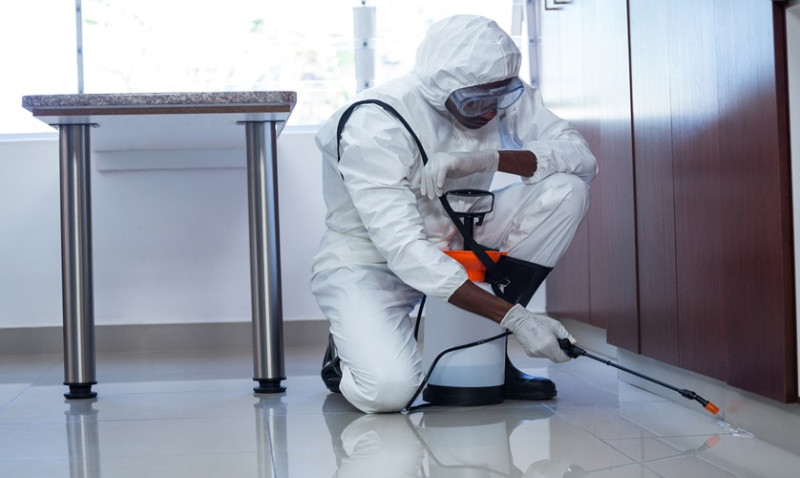 Business Rates and Inflation Squeeze: ...
Mar 2026
Business Rates and Inflation Squeeze: ...
Mar 2026
-
 WordPress vs Squarespace vs Wix for ...
Mar 2026
WordPress vs Squarespace vs Wix for ...
Mar 2026
-
 Why Pest Control Companies Need ...
Mar 2026
Why Pest Control Companies Need ...
Mar 2026
-
 Sole Trader or Limited Company? What ...
Mar 2026
Sole Trader or Limited Company? What ...
Mar 2026
-
 What to Expect When Hiring a Pest ...
Mar 2026
What to Expect When Hiring a Pest ...
Mar 2026
-
 Google Ads vs Facebook Ads for Pest ...
Mar 2026
Google Ads vs Facebook Ads for Pest ...
Mar 2026