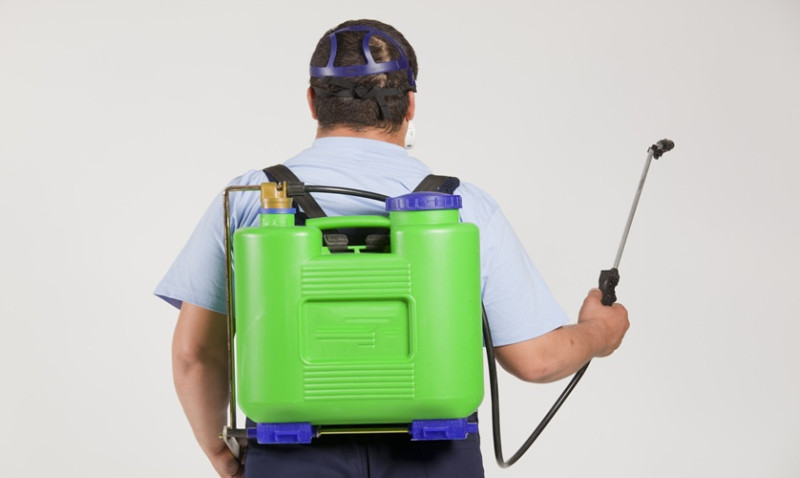
You've built a pest control business. Maybe you're franchising it. Maybe you're expanding into a new territory. Either way, you need technicians who won't embarrass you on a customer's doorstep. Yet most franchise owners and operations managers I speak to admit they've hired someone just to fill a gap, then spent months dealing with the fallout.
A technician with poor communication skills loses you repeat customers. One who cuts corners on safety gets your business sued. Someone who doesn't follow your treatment protocols creates callbacks that eat into your margins. The cost of a bad hire runs far deeper than the wage you're paying.
Check Their Actual Pest Control Experience, Not Just Their CV
There's a difference between someone who's worked in pest control for three years and someone who's worked one year three times over. When you're interviewing candidates, ask about specific scenarios they've handled.
Have they dealt with German cockroach infestations in commercial kitchens? Can they explain the difference between baiting strategies for a flat versus a terraced house? Do they know how to spot signs of bed bugs that a homeowner might miss? These aren't trick questions. They're the baseline of competence.
Someone worth hiring will talk through their approach to different pest problems. They'll mention customers they've helped resolve difficult situations. They won't just say "I've done rats before". That tells you almost nothing.
Ask them to describe their last three jobs in detail. Their answers will reveal whether they actually understand the work or were just following a checklist.
Verify Their Qualifications and Insurance Status
In the UK, pest control technicians must hold a valid pest control certificate or be supervised by someone who does. The BASIS (British Agrochemical Standards Institute) certification is the gold standard. RSPH (Royal Society for Public Health) qualifications are also widely recognised.
Don't just take their word for it. Ring the issuing organisation. Confirm the certificate is current and hasn't been suspended. If they claim to have completed training, ask for proof. Most legitimate technicians keep copies of certificates in their vehicle.
Insurance is non-negotiable. You need them covered for public liability (minimum £6 million in most cases) and employers' liability if you're hiring directly. A technician without proper insurance puts your entire operation at risk. One injury claim could bankrupt you both.
Look for Someone Who Understands Your Business Model
If you're running a franchise operation, you need technicians who accept that they're representing a brand. They're not independent contractors with their own methods. They follow your protocols, use your products, and communicate in your style.
During the interview, explain how your business operates. Do you use specific treatment products? Do you have a particular scheduling system? Are there communication standards customers expect? Someone who bristles at this or immediately suggests "better ways" to do things might create headaches later.
Conversely, a technician who asks thoughtful questions about your systems, your target market, and your customer expectations is someone who's thinking about the bigger picture. That's the kind of person who grows into a senior role.
Don't Overlook Their Customer-Facing Skills
A technically competent technician who makes customers uncomfortable is a liability. They might be the best at identifying pest entry points, but if they're rude or dismissive when explaining findings, customers won't book follow-up treatments.
Pay attention to how they interact with you during the interview. Are they on time? Do they listen or just wait for their turn to talk? Can they explain technical concepts clearly, or do they lapse into jargon? The way they treat you now is how they'll treat your customers.
Ask them how they'd handle a difficult situation. For example: "A customer is worried about pesticide safety in their home with young children. How do you explain your approach?" Their answer shows whether they can balance reassurance with honesty.
Experience Matters, But Not Always in the Way You Think
Someone with 10 years in pest control from a large national company might struggle in a smaller, more flexible operation. Someone with two years in a family business might be more adaptable. Experience is useful, but it's not the only measure.
What matters more is their willingness to learn. A technician who's worked for one company their whole career might have developed bad habits or outdated practices. Someone who's moved around, learned different approaches, and can explain why they prefer one method over another is likely more capable of growing with your business.
Ask them what they've learned in the past year. What changes have they noticed in their work? How have they adapted? Someone who can't answer these questions hasn't been paying attention.
Trial Period Before Full Commitment
Even after thorough vetting, you won't know if someone is right for your business until they're actually doing the work. Most reputable hiring practices include a probation period. Use it properly.
Assign them to jobs you can oversee or where you can gather feedback quickly. Pay attention to callback rates. Ask customers for their impressions. If something's off, address it early rather than hoping it improves.
A good technician will welcome feedback. A defensive one who blames customers or circumstances for problems probably isn't going to improve.
Final Thought
Hiring a pest control technician isn't complicated, but it does require attention. The money you spend checking credentials, conducting proper interviews, and observing their work habits is an investment in your business's reputation. A single technician can be the reason a customer recommends you to five friends. They can also be the reason they never book with you again.
Take the process seriously. Your business depends on it.
Trending articles
-
 Business Rates and Inflation Squeeze: ...
Mar 2026
Business Rates and Inflation Squeeze: ...
Mar 2026
-
 WordPress vs Squarespace vs Wix for ...
Mar 2026
WordPress vs Squarespace vs Wix for ...
Mar 2026
-
 Why Pest Control Companies Need ...
Mar 2026
Why Pest Control Companies Need ...
Mar 2026
-
 Sole Trader or Limited Company? What ...
Mar 2026
Sole Trader or Limited Company? What ...
Mar 2026
-
 What to Expect When Hiring a Pest ...
Mar 2026
What to Expect When Hiring a Pest ...
Mar 2026
-
 Google Ads vs Facebook Ads for Pest ...
Mar 2026
Google Ads vs Facebook Ads for Pest ...
Mar 2026