Hiring the wrong pest control specialist can cost you far more than money. A poorly executed treatment might fail to eliminate the problem, forcing you to pay again within weeks. Worse, inexperienced operators might damage your property, use unsafe chemicals around your family, or leave you vulnerable to reinfestation. Getting it right the first time saves stress, money, and protects your home properly.
This guide walks you through the exact steps to take before booking anyone to treat your pest problem.
Qualifications and Accreditations to Look For
A reputable pest control specialist should hold recognised qualifications from UK bodies that actually matter. Here's what to check for:
- BASIS Registration: The British Agrochemical Standards Inspection Scheme registers individual technicians and companies. Technicians holding BASIS certification have passed exams in pest biology, treatment methods, and safe chemical handling. This is the gold standard in the UK pest control industry.
- NPTA Membership: The National Pest Technicians Association represents professional pest controllers. Members commit to codes of conduct and continuing professional development. Check the NPTA website to verify membership.
- BPCA Accreditation: The British Pest Control Association is another recognised body. Member companies must meet strict standards for training, insurance, and customer service.
- RSPH Certification: The Royal Society for Public Health offers qualifications in pest control and food safety. Look for technicians who've completed RSPH Level 2 or higher in pest control.
- Insurance: Liability insurance is essential. A specialist should carry public liability insurance (minimum £6 million is standard) and professional indemnity cover. This protects you if something goes wrong.
Don't assume every company with a website has these credentials. Ask directly and request proof. Any legitimate specialist will provide it immediately.
8 Essential Questions to Ask Before Hiring
1. Are you registered with BASIS or a recognised pest control body?
This filters out cowboys immediately. A qualified technician will have no hesitation confirming their registration number. You can then verify it independently online.
2. How long have you been trading, and do you have references from local customers?
Experience matters. A business trading for 10+ years is likely doing something right. References from other homeowners in your area carry real weight—ask for at least two from the past year.
3. What is the exact pest you'll be treating, and how will you identify it?
A good specialist won't just assume. They might ask questions about the pest's appearance, where you've seen it, or arrange a site survey. Correct identification determines the right treatment. If they skip this step, walk away.
4. What treatment method will you use, and why that one?
Different pests require different approaches. Rodents might need traps and proofing; bed bugs need targeted chemicals and heat treatment; wasps require nest removal. The specialist should explain their chosen method and why it's suitable for your situation. Vague answers are a warning sign.
5. How long until I see results, and what's your guarantee or warranty?
Most treatments show results within 1–2 weeks. Ask what happens if the problem persists. Reputable specialists offer callbacks or retreatments at no extra cost if pests return within a specified period (typically 4–6 weeks). Get this in writing.
6. Are the chemicals you use safe for my family and pets?
Ask specifically about the products being used, their safety profile, and what precautions you need to take. A professional will discuss ventilation, how long to keep pets away, and whether anyone in your household has allergies or sensitivities. They should provide safety data sheets if requested.
7. Do you offer a free survey or quotation?
Most reputable specialists provide a free site visit to assess the problem and give a fixed quote. This shows confidence in their service and prevents nasty surprises at invoice time. Be wary of anyone quoting over the phone without seeing the problem.
8. Can you provide proof of your public liability insurance?
Ask to see their insurance certificate before work begins. If they balk or delay, that's a red flag. Insurance protects both you and them.
What Good Reviews Actually Look Like
Genuine reviews mention specific details: the type of pest, how long the treatment took, whether it worked, and how professional the technician was. They often reference the technician by name and discuss their communication style.
Bad or fake reviews are vague ("great service!"), overly promotional, or suspiciously identical to others. Watch out for reviews lacking any negative detail—no business is perfect, so a string of five-star reviews with zero specifics is suspicious.
Check multiple platforms: Google, Trustpilot, and the specialist's own website. If reviews are only on their website and nowhere else, that's worth noting.
Red Flags to Avoid
- No verifiable qualifications or reluctance to discuss them
- Quoting prices without a site visit
- Refusing to provide insurance proof
- Pressure to pay upfront in full
- No written guarantee or warranty
- Unwillingness to discuss the chemicals or methods they'll use
- No business address or phone number (only email or mobile)
- Extremely cheap quotes compared to others (usually means corners are cut)
- No mention of follow-up visits or what happens if the problem returns
Comparing Quotes Fairly
Get at least three quotes, but don't automatically choose the cheapest. A quote should itemise what's included: site survey, specific treatment, follow-up visit, warranty period, and any proofing work (like sealing entry points for rodents).
A £150 quote that includes one treatment and a callback is different from a £250 quote that includes two treatments, proofing, and a 12-week guarantee. Compare like with like.
Ask whether the quote is fixed or if extra charges might apply. A professional will give you a fixed price unless complications emerge during the visit.
Start Your Search Today
Finding a trustworthy pest control specialist doesn't have to be stressful. By checking qualifications, asking the right questions, and reviewing their credentials carefully, you'll hire someone who solves the problem properly.
Browse our directory of vetted pest control specialists across the UK at londonpestscontrol.co.uk. Every listed specialist is verified for qualifications and insurance, so you can hire with confidence.
```Trending articles
-
 Business Rates and Inflation Squeeze: ...
Mar 2026
Business Rates and Inflation Squeeze: ...
Mar 2026
-
 WordPress vs Squarespace vs Wix for ...
Mar 2026
WordPress vs Squarespace vs Wix for ...
Mar 2026
-
 Why Pest Control Companies Need ...
Mar 2026
Why Pest Control Companies Need ...
Mar 2026
-
 Sole Trader or Limited Company? What ...
Mar 2026
Sole Trader or Limited Company? What ...
Mar 2026
-
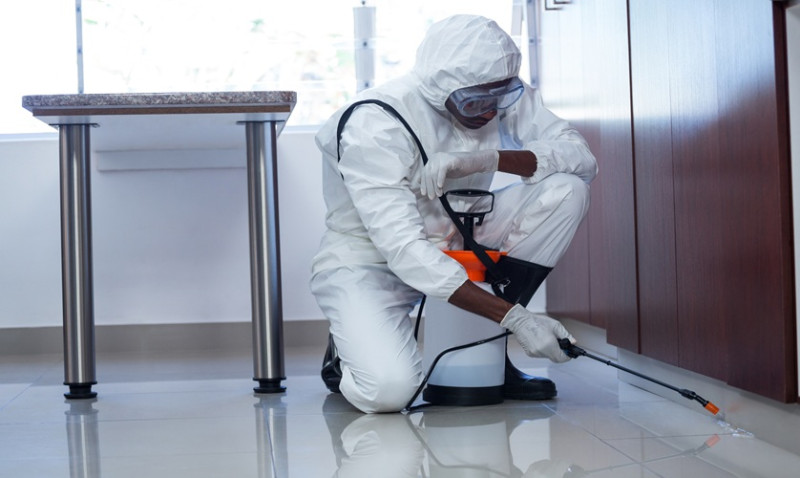 What to Expect When Hiring a Pest ...
Mar 2026
What to Expect When Hiring a Pest ...
Mar 2026
-
 Google Ads vs Facebook Ads for Pest ...
Mar 2026
Google Ads vs Facebook Ads for Pest ...
Mar 2026