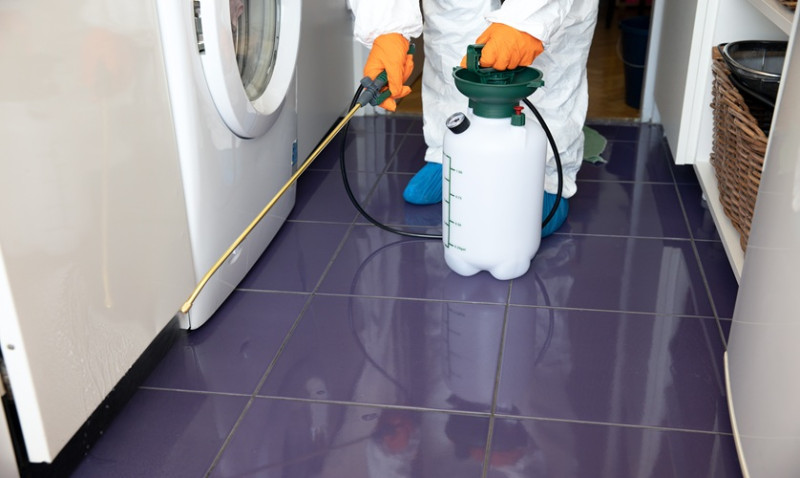
Running a pest control business means your team works with hazardous chemicals, enters unfamiliar properties, handles equipment that can cause injury, and often works alone or in small teams. The Health and Safety Executive receives hundreds of incident reports from the pest control sector each year. Most aren't dramatic. They're preventable.
A badly managed fall from a loft. Chemical exposure that could have been avoided with proper PPE. A driver collision because fatigue wasn't monitored. These incidents don't just hurt people. They damage your reputation, trigger investigations, and can cost thousands in fines and compensation.
The good news is that solid health and safety practice is manageable. It doesn't require endless paperwork or consultants. It requires thinking clearly about what your people actually do, then putting simple controls in place.
Start With Your Risk Register
You don't need a fancy document. You need a practical list of what can go wrong in your business.
For a pest control operator, this typically includes:
- Working with pesticides, insecticides and rodenticides
- Climbing ladders, accessing lofts and crawl spaces
- Carrying heavy equipment and materials
- Working alone in residential or commercial properties
- Driving to multiple call-outs each day
- Manual handling and repetitive strain injuries
- Contact with animal waste, asbestos or other contaminants
- Customer aggression or safeguarding concerns
Write these down. For each one, note how likely it is to happen and how serious it would be. Focus your effort on the high-likelihood, high-impact risks first.
Chemical Safety Is Not Negotiable
This is where pest control differs from most other trades. You're handling substances regulated under the Control of Pesticides Regulations 1986 and the Health and Safety (Safety Signs and Signals) Regulations 2015.
Every person who applies pesticides must be PA1 certified or working under supervision of someone who is. If you haven't already, get your team booked in. The training takes a day and it's a legal requirement, not a nice-to-have.
Beyond certification, check these basics:
- Are your chemicals stored in a locked cupboard away from damp and temperature extremes? Rust and degradation are common in van storage.
- Do you have Safety Data Sheets for every product in your vehicle? Digital copies are fine, but they need to be accessible.
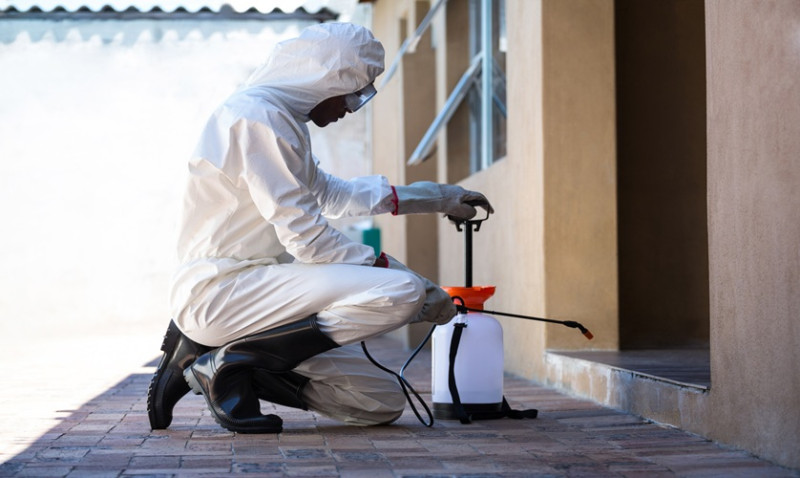
- Are your team wearing appropriate PPE? For most applications, this means gloves (nitrile doesn't cut it for all products), eye protection, and sometimes respiratory protection. The SDS tells you what's needed.
- Is your vehicle ventilated properly when chemicals are stored? Poor ventilation in a van over months creates vapour build-up.
- Do you have spill kits in vehicles and know how to use them?
Talk to your insurance broker too. Some policies have specific requirements about chemical storage and handling. Not meeting them voids your cover.
Lone Working and Lone Working Protocol
Most pest control jobs involve one technician entering a property alone. This is standard practice, but it needs active management.
Have a simple check-in system. This doesn't mean constant contact. It means someone knows where your team member is, what property they're in, and when they should check back. If they don't check in within a specified time, you follow up.
Mobile phones work. So do apps designed for lone workers. The method matters less than consistency. Your team needs to use it every single day, and you need to track it.
Brief your team on what to do if something feels off about a visit. Are they safe? Can they leave? Do they need to call police? Make it clear that leaving a job early because of safeguarding concerns is always the right call. You'll reschedule.
Falls and Access Equipment
Falls from height account for a significant number of reportable injuries in pest control. Most aren't from great heights. Someone slips off a step ladder or loses their footing in a loft.
Use proper ladders, not old DIY ones. Ensure they're positioned on level ground and secured at the top if possible. Brief your team on three-point contact: two hands and a foot, or two feet and a hand, whenever ascending or descending.
Loft access is tricky. If your team is climbing into roof voids regularly, you need:
- Proper loft ladders, not just makeshift ones
- Head torches so they can see what they're stepping on
- Awareness of where joists are and avoiding stepping through plasterboard
- A rule about not working in lofts alone if possible, especially in difficult access situations
It's worth spending a few quid on better equipment here. A loft ladder costs under 100 pounds. An injury claim costs thousands.
Vehicle Safety and Driver Fatigue
Your team drives between jobs constantly. Some operators log 30,000 to 40,000 miles per year.
Check your drivers are fit to drive. Do they have valid licences? Have any had serious incidents? If someone looks exhausted, they don't drive that day.
Ensure vehicles are maintained properly. Brakes, tyres, lights, and wipers need regular checks. A breakdown on the motorway puts people at risk.
Talk about driving speed and aggressive driving. Pest control is reactive work. A customer can wait an extra five minutes. Speeding between call-outs isn't worth it.
Training and Competence
Competence isn't a one-off box to tick. Your team needs relevant training when they start, and then refresher training regularly.
Log what training people have done and when. Include PA1 certification, manual handling, lone working protocol, and any site-specific inductions. When someone's PA1 expires, you'll know they can't work unsupervised.
Get an Accident Book
Even minor injuries need recording. A minor cut becomes a serious infection. An awkward fall that seemed fine becomes a chronic back problem. Record it all.
Review the book quarterly. If you see patterns, address them. Three people with back pain? You need a conversation about manual handling. Two chemical exposures? Your PPE protocol needs tightening.
Practical Next Steps
Don't try to do everything at once. Pick three things this month. Maybe that's PA1 certification for staff who don't have it, a simple check-in system for lone workers, and a review of your chemical storage.
Next month, tackle vehicle maintenance and driver fatigue. Then falls prevention and training logs.
Small, consistent improvements beat grand overhauls that fizzle out. Your team will notice. They'll work more safely. You'll sleep better knowing you're doing right by them and by your business.
Trending articles
-
 Business Rates and Inflation Squeeze: ...
Mar 2026
Business Rates and Inflation Squeeze: ...
Mar 2026
-
 WordPress vs Squarespace vs Wix for ...
Mar 2026
WordPress vs Squarespace vs Wix for ...
Mar 2026
-
 Why Pest Control Companies Need ...
Mar 2026
Why Pest Control Companies Need ...
Mar 2026
-
 Sole Trader or Limited Company? What ...
Mar 2026
Sole Trader or Limited Company? What ...
Mar 2026
-
 What to Expect When Hiring a Pest ...
Mar 2026
What to Expect When Hiring a Pest ...
Mar 2026
-
 Google Ads vs Facebook Ads for Pest ...
Mar 2026
Google Ads vs Facebook Ads for Pest ...
Mar 2026