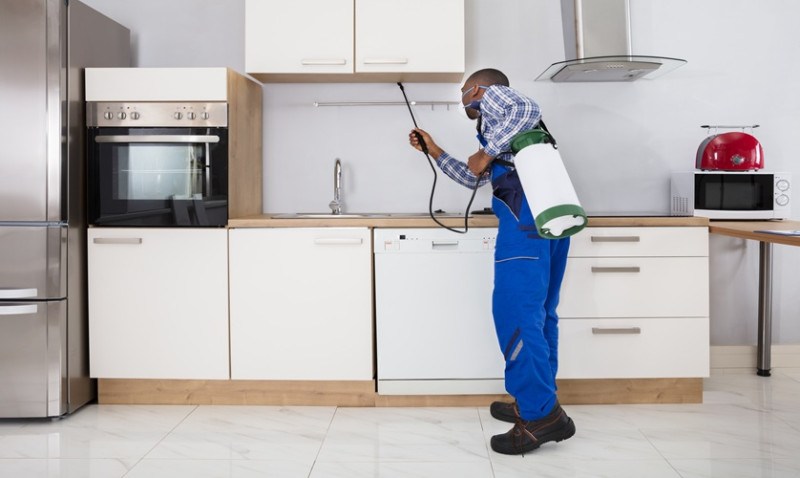
If you're running a pest control business on a tight budget, spending thousands on Google Ads or Facebook campaigns might feel impossible. The good news is that many successful operators in this sector have built thriving practices without paid marketing. It takes time and consistency, but it works.
The reality of pest control is straightforward. People don't wake up excited to call a pest controller. They're dealing with a problem. They want results, they want reliability, and they want to trust who's coming into their home or commercial space. Free marketing methods help you build that trust before they even pick up the phone.
1. Optimise Your Google Business Profile
This is where most of your local customers will find you. Your Google Business Profile appears when someone searches "pest control near me" or "rat removal in Manchester". It costs nothing and it's your most important asset.
Make sure your profile includes every detail: opening hours, phone number, service areas, photos of your team and equipment, and a clear description of what you do. Don't be vague. Write something like "Residential and commercial pest control specialising in rodents, cockroaches and bed bugs across South London" rather than "We handle all pest problems".
Post regularly in the Updates section. When you complete a job, mention it. "Just finished treating a warehouse for silverfish in Coventry." Photos matter too. Show before and after shots where you can, or images of your van and team. Respond to reviews, both positive and negative. Quick replies make you look professional and attentive.
2. Encourage and Respond to Customer Reviews
Reviews are trust signals. When a homeowner sees you have 40 five-star reviews, they're far more likely to book you than a competitor with none. Ask satisfied customers to leave reviews on Google, Trustpilot, or industry-specific sites like Checkatrade.
The ask matters. Don't just hope. Text them after completing the job: "Hi, thanks for using us. If you're happy with the work, we'd really appreciate a quick review on Google. Link: [your Google profile]".
Negative reviews happen. Someone will be unhappy. When they are, respond professionally and offer to sort it. Never get defensive. A thoughtful response to a complaint often impresses potential customers more than perfect reviews.
3. Build a Simple Website with Local Keywords
A website doesn't need to be fancy. It needs to exist and it needs to answer common questions. What areas do you cover? What pests do you treat? How quickly can you respond? What's your pricing approach?
Write pages targeting specific searches people actually make. A page called "Bed Bug Treatment in Leeds" ranks better than "Our Services". Include your phone number prominently on every page. Many small pest control operators miss this basic step and lose calls because contact information is buried or outdated.
Don't obsess over design. A clean, mobile-friendly site built with WordPress or Wix works fine. Search engines care about fresh content and helpful information, not animated backgrounds or moving logos.
4. Use LinkedIn for B2B Relationships
If you work with facilities managers, estate agents, property management companies, or restaurants, LinkedIn is where they are. It costs nothing to create a company page and start connecting.
Post occasional updates about your work. "Just completed a thorough inspection of a 50-unit apartment complex in Birmingham. Prevention is always cheaper than dealing with an infestation." These posts remind your network that you exist and that you're active.
Comment thoughtfully on posts from local property managers and facilities professionals. Don't sell. Just engage. This builds relationships over time.
5. Create Content Around Common Problems
Write about what your customers ask you. "How long does it take to get rid of mice?" "What causes a cockroach infestation?" "Is it safe to use pest control around pets?" These aren't fancy blog posts. They're practical answers to real questions.
Post them on your website or a simple blog. Share them on your social media. When you answer these questions well, people find you through search engines, and they arrive already convinced you know what you're talking about.
6. Ask for Referrals Directly
Referrals from satisfied customers are your best source of new work. Ask for them. When you finish a job, say this: "We really appreciate your business. If you know anyone who needs pest control, please give them our number or let us know and we'll follow up."
Make it easy by providing printed cards or a simple referral scheme. Some operators offer a discount on the next visit if customers refer someone who books a job. This works because people naturally recommend good tradespeople anyway. You're just acknowledging it and making it worthwhile.
7. Engage on Facebook Locally
Join local Facebook groups for your town or city. Residents ask for recommendations constantly. "Looking for a reliable pest controller in Nottingham." Answer helpfully. Don't just drop your link and disappear. Actually engage with the question.
Run a simple business page too. You don't need thousands of followers. You need people in your service area to see your updates occasionally. Post about seasonal pests. In autumn, talk about rodents moving inside. In spring, mention wasp nest treatments starting up.
8. Partner with Complementary Businesses
Build relationships with estate agents, letting agents, property management companies, and facilities providers. They get pest control requests from clients. If they trust you, they'll recommend you.
Visit them in person. Bring a card. Mention what you do and that you'd appreciate referrals. Check in occasionally. "Just wanted to remind you we handle all the pest problems your landlords and tenants might report."
9. Use WhatsApp and Text for Regular Updates
After treating a property, send a follow-up text or WhatsApp message. "Hi, just checking in after your treatment yesterday. Anything to report?" This shows you care about results, not just getting paid. It also gives customers a reason to stay in touch.
For commercial clients, regular messages can prevent problems before they start. "Spring wasp season is coming. Want to discuss preventative measures?"
10. Consistency and Documentation
The unglamorous truth: show up. Do good work. Document it. Be on time. Call back when you say you will. These things are free but they're what separate successful operators from those struggling to find work.
Keep records of what you've treated and when. When customers call back months later asking for a repeat treatment, you'll remember exactly what you did. That reliability and attention to detail builds a reputation. Reputations bring referrals. Referrals are free marketing at its best.
The Real Formula
Free marketing for pest control comes down to this. Be good at your job. Be easy to find and contact. Ask people to recommend you. Help people understand what you do. Show up when you say you will.
These methods won't make you rich overnight. They're slower than paid ads. But they build genuine business relationships and they cost almost nothing. For small operators, that matters.
Trending articles
-
 Business Rates and Inflation Squeeze: ...
Mar 2026
Business Rates and Inflation Squeeze: ...
Mar 2026
-
 WordPress vs Squarespace vs Wix for ...
Mar 2026
WordPress vs Squarespace vs Wix for ...
Mar 2026
-
 Why Pest Control Companies Need ...
Mar 2026
Why Pest Control Companies Need ...
Mar 2026
-
 Sole Trader or Limited Company? What ...
Mar 2026
Sole Trader or Limited Company? What ...
Mar 2026
-
 What to Expect When Hiring a Pest ...
Mar 2026
What to Expect When Hiring a Pest ...
Mar 2026
-
 Google Ads vs Facebook Ads for Pest ...
Mar 2026
Google Ads vs Facebook Ads for Pest ...
Mar 2026