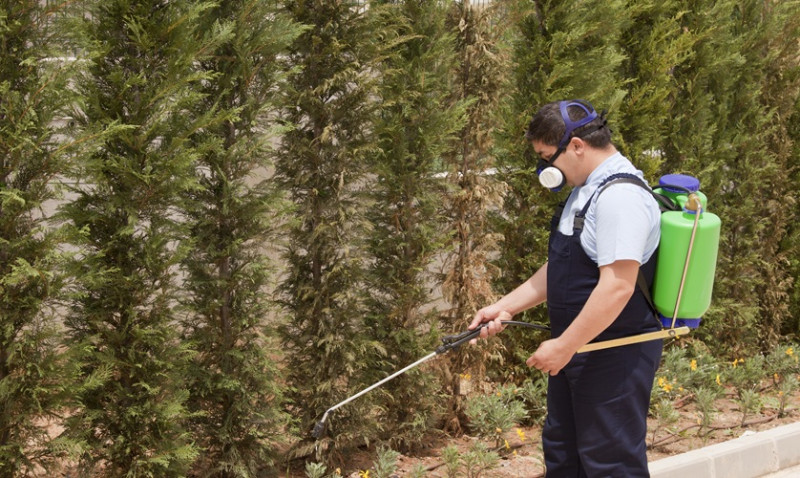
If you work in pest control, you've probably noticed something. Your clients in the food and hospitality sector are increasingly fixated on their food hygiene rating. They talk about it constantly. They worry about it. They lose sleep over it. This isn't paranoia on their part. A single food premises inspection can genuinely affect their business. Understanding the Food Standards Agency (FSA) rating system isn't just helpful background knowledge for pest control teams. It's essential context for understanding what your clients actually need from you.
The rating system runs from 0 to 5, with 5 being the gold standard. Most food businesses obsess over moving from a 3 to a 4, or from a 4 to a 5. Why? Because the difference between these scores affects customer confidence, repeat business, and sometimes even their ability to secure catering contracts or franchise opportunities.
The Five-Point Scale: What Each Rating Really Means
Rating 5: Very Good
This is the sweet spot. A rating of 5 means the premises meets food law standards across hygiene, structural condition, and management. There may be minor observations, but nothing serious. For pest control, this typically means the client has robust preventative measures in place. They've invested in regular treatments, sealed entry points, and maintained good housekeeping. There are no current pest problems and no evidence of past infestations.
Rating 4: Good
A rating of 4 suggests the premises is generally satisfactory but there are areas for improvement. In pest control terms, this might indicate minor issues have been identified. Perhaps there's evidence of rodent activity in a storeroom, or staff haven't been trained on pest prevention. An inspector might have spotted rodent droppings, gaps in external walls, or poor waste management. The good news? These are fixable problems. This is where pest control professionals come in. A client with a rating 4 often needs a comprehensive treatment programme, structural recommendations, and ongoing monitoring.
Rating 3: Generally Satisfactory
Here's where things get serious for your clients. A rating of 3 means there are some issues that need attention, though major problems haven't been found yet. In pest control context, this could mean active pest infestations have been discovered. A kitchen might have evidence of cockroach activity, or a restaurant's stockroom shows signs of a mouse problem. The infestation is significant enough to lower the overall rating but hasn't reached the emergency stage. Clients with a 3 rating are usually motivated to invest in pest control immediately. They understand the threat to their rating and their reputation.
Rating 2: Improvement Required
This is a red flag rating. A 2 means major issues have been identified. From a pest control standpoint, this typically signals substantial infestation. We're talking about widespread evidence of rodents throughout the premises, or serious cockroach problems affecting multiple areas. An inspector might find droppings, gnaw marks, dead insects, or live pests. Food contamination risks are real. Structural issues like broken doors, gaps in walls, or holes around pipes make prevention difficult. Clients with a rating of 2 are in crisis mode. They need emergency pest control intervention, combined with urgent structural fixes.
Rating 0 or 1: Urgent Improvement Required
A 0 or 1 rating means the FSA has identified serious health and safety risks. For pest control, this is the worst-case scenario. It suggests severe infestation, possible contamination, and complete failure of pest management systems. The premises might be closed immediately, or allowed to trade only under strict conditions. From your perspective as a pest control provider, a client at this level needs intensive intervention. Multiple treatments, structural overhaul, staff retraining, and ongoing monitoring are all necessary.
How Pest Control Problems Actually Show Up in Inspections
Here's what environmental health officers look for when they visit. They examine the building structure for signs of pest entry. Small gaps, cracks, damaged seals around pipes and cables, ill-fitting doors, broken grilles. They check for pest droppings, both fresh and old, which might be found behind equipment, in cupboards, or under sinks. They look for gnaw marks on food packaging, wood, or cables. They inspect for nesting materials, particularly in warm locations like behind fridges or under insulation. They check waste management systems to see if spillage or poor storage might attract pests. They review the business's pest control records to see if preventative treatments are happening.
A single cockroach found in a takeaway kitchen can result in points being deducted from an otherwise clean inspection. Multiple rodent droppings in a restaurant's dry store will likely drop a client from a 5 to a 3 or 4. Visible signs of active infestation, such as live pests, typically results in a rating of 2 or below.
The Practical Reality for Pest Control Services
Most of your food sector clients will fall into the 4 or 5 category before they ever call you. They've had a clean inspection, and they want to stay that way. This is your prevention market. They need quarterly or monthly monitoring, possibly preventative treatments, and advice on housekeeping. They pay on time because the cost of losing their rating terrifies them.
Some clients will ring you after seeing a rating of 3 or 4 and noticing pest activity themselves. These are motivated customers. They understand the connection between your work and their business viability.
Occasionally, you'll work with premises that are already at a 2 or below. These jobs are intensive. They require detailed structural reporting, emergency treatments, follow-up visits, and sometimes remedial building work recommendations. But they also demonstrate real value. You're literally helping a business avoid closure.
Understanding these ratings helps you position your service clearly. You're not just treating pests. You're protecting your clients' livelihoods and their ratings.
Trending articles
-
 Business Rates and Inflation Squeeze: ...
Mar 2026
Business Rates and Inflation Squeeze: ...
Mar 2026
-
 WordPress vs Squarespace vs Wix for ...
Mar 2026
WordPress vs Squarespace vs Wix for ...
Mar 2026
-
 Why Pest Control Companies Need ...
Mar 2026
Why Pest Control Companies Need ...
Mar 2026
-
 Sole Trader or Limited Company? What ...
Mar 2026
Sole Trader or Limited Company? What ...
Mar 2026
-
 What to Expect When Hiring a Pest ...
Mar 2026
What to Expect When Hiring a Pest ...
Mar 2026
-
 Google Ads vs Facebook Ads for Pest ...
Mar 2026
Google Ads vs Facebook Ads for Pest ...
Mar 2026