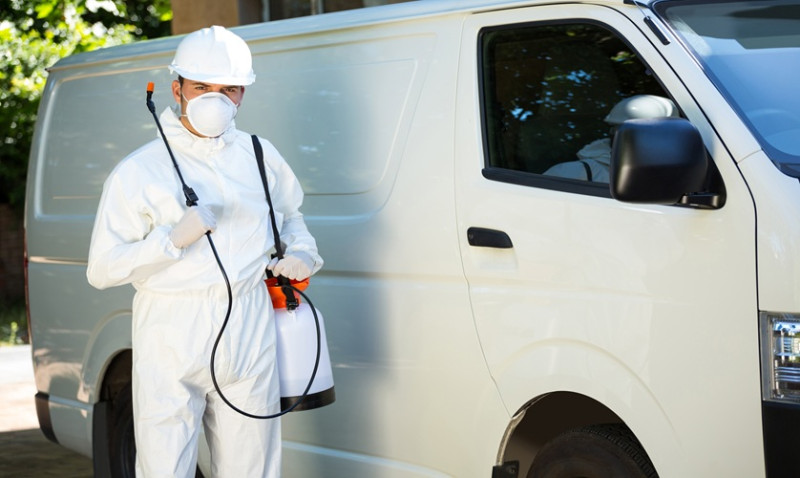
Your customer rings you on Monday morning. Rats in the stockroom. They're panicking, the health inspector is due Friday, and they need someone out today. You grab your phone and search "pest control near me." Within seconds, you're staring at 40 different options. One has five stars. Another is £200 cheaper. A third promises same-day treatment. How do you actually know which one won't leave your customer worse off?
This happens constantly in the pest control industry. Customers (and business owners recommending services) make hiring decisions based on incomplete information. They pick the cheapest quote, or the first available slot, or whoever answers the phone with confidence. Then the technician turns up late, uses the wrong treatment for the infestation, or doesn't follow up properly. The problem gets worse. Trust erodes.
Finding a reliable pest control technician isn't luck. It's a process. And it's worth doing properly.
Check Their Credentials Before Anything Else
Start with the basics. A legitimate pest control company in the UK should hold certification from one of these bodies:
- BASIS (BASIS Registration Scheme). This is the gold standard. It means the technician has been independently assessed and their competence verified.
- NPTA (National Pest Technicians Association). Membership here means they've committed to a code of conduct and ongoing professional development.
- CEPA (Chartered Institute of Environmental Health's Pest Management section). Similar rigour to BASIS.
Ask them directly which scheme they're registered with. Don't accept vague answers like "we're fully qualified." Ask for the registration number. You can then verify it on the relevant website. This takes five minutes and weeds out a huge number of cowboys.
Why does this matter? Because pest control chemicals are heavily regulated in the UK. Only certified technicians can legally apply certain treatments. If someone isn't registered, they're either operating illegally or they're applying weaker, less effective products. Either way, it's a problem.
Insurance is Non-Negotiable
A pest control technician working on your premises needs professional indemnity insurance and public liability insurance. This protects you if something goes wrong. If they damage your property during treatment, or if a customer gets ill from misapplied chemicals, insurance covers the cost. Without it, you're liable.
Ask for a copy of their insurance certificate. Check the renewal date. Some contractors let it lapse and claim it's "in the post." It isn't. A legitimate company can produce this within 24 hours, usually via email.
Public liability cover should be at least £1 million for most commercial work. Professional indemnity should match. If they're quoting lower amounts, ask why. Sometimes smaller operations legitimately operate at lower thresholds, but it's worth understanding the logic.
Look at Track Record, Not Just Reviews
Google reviews and TrustPilot testimonials are useful, but they're not the full picture. A company with 47 five-star reviews is great. A company with three reviews and someone complaining about a missed follow-up appointment matters more than you'd think.
Here's what to actually ask:
- How long have they been operating? A three-year track record is decent. Ten years is better. Longer than that suggests they've navigated different economic conditions and pest seasons.
- Do they work regularly with commercial clients or just residential? If you need a business treated, you want someone used to working around operating hours and regulatory requirements.
- Can they provide references from customers similar to yours? A company that's handled wasp nests in suburban homes might struggle with a large-scale rodent infestation in a food manufacturing plant.
- What's their response time? During peak season, can they actually get someone out within 24 hours, or is it more like a week?
Call one or two references if you can. Ask specific questions. "Did they turn up when promised?" "Did the infestation actually go away?" "Did they explain what they were doing?" Real customers give you real answers.
How They Quote Matters
A good pest control technician doesn't quote over the phone after a two-minute conversation. They visit the site, assess the infestation, identify entry points, and then give you a detailed quote. This takes an hour. Sometimes longer.
If someone rings back with a price without visiting, they're guessing. Their quote will either be dangerously low (meaning inadequate treatment) or bloated (they're padding it because they don't actually know what they're dealing with).
A proper quote should include: what they'll treat, which products they'll use, how many visits are planned, what the follow-up protocol looks like, and what guarantees come with the work. If it's vague, push back.
Price matters, but it shouldn't be your only criterion. A company charging £150 for a one-off wasp nest removal when everyone else charges £120 might be worth it if they visit the next day and provide a written warranty. A company charging £80 because they're new and desperate might leave you calling them back a month later.
Red Flags That Should Stop You Hiring
No credentials or refusing to name their registration body. This isn't negotiable.
Unwilling to visit the site before quoting. They don't know what they're doing.
Pressure to pay in full upfront. Standard practice is payment on completion or 50% upfront with the balance after treatment.
No written agreement or contract. Get everything in writing. Verbal promises mean nothing if things go wrong.
Reluctance to explain their methodology. A professional should walk you through exactly what they're doing and why.
Exclusively using one brand of pesticide. Different infestations need different approaches. Anyone claiming their one product handles everything is cutting corners.
Final Check: Do They Follow Up?
The job doesn't end when the technician leaves. A reliable pest control company schedules follow-up visits as needed, monitors your property, and stays in contact. They also provide you with guidance on prevention measures. Fixing entry points, removing food sources, reporting further activity. They educate you on what made the problem happen in the first place.
If they disappear after the first visit, that's a sign they're only interested in the easy money, not solving your problem.
Hiring a reliable pest control technician takes more effort than booking the first available appointment. But it costs less in the long run, protects your business, and actually solves the problem. Take your time. Ask the right questions. Check the credentials. You'll avoid the nightmare of a repeat infestation and an unreliable contractor who won't return your calls.
Trending articles
-
 Business Rates and Inflation Squeeze: ...
Mar 2026
Business Rates and Inflation Squeeze: ...
Mar 2026
-
 WordPress vs Squarespace vs Wix for ...
Mar 2026
WordPress vs Squarespace vs Wix for ...
Mar 2026
-
 Why Pest Control Companies Need ...
Mar 2026
Why Pest Control Companies Need ...
Mar 2026
-
 Sole Trader or Limited Company? What ...
Mar 2026
Sole Trader or Limited Company? What ...
Mar 2026
-
 What to Expect When Hiring a Pest ...
Mar 2026
What to Expect When Hiring a Pest ...
Mar 2026
-
 Google Ads vs Facebook Ads for Pest ...
Mar 2026
Google Ads vs Facebook Ads for Pest ...
Mar 2026