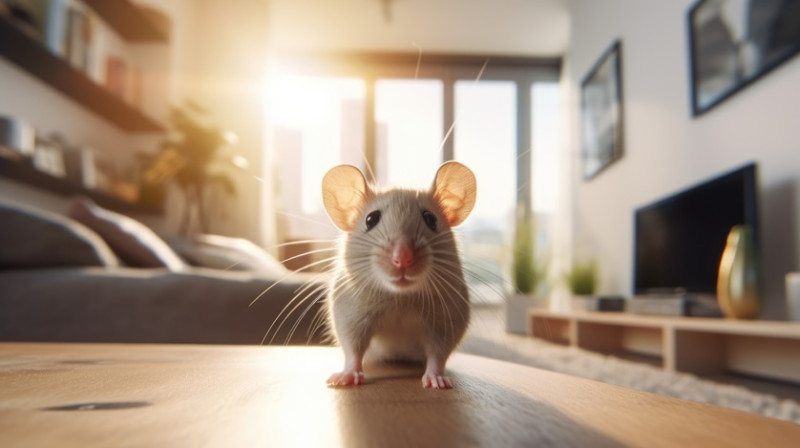
London's urban environment provides ideal breeding grounds for household pests year-round. Knowing which pests are active in your area lets you take action before problems start. Most London residents deal with multiple pest species at once, especially during autumn and winter when creatures move indoors seeking warmth. Infestations spread quickly once established, making treatment far more costly and disruptive the longer you wait.
The capital's older housing stock, extensive transport networks, and dense population all contribute to persistent pest problems across every borough. Victorian terraces and modern apartments alike remain vulnerable, whatever their cleanliness standards. Learning how each pest species lives and behaves helps you prevent problems effectively and decide whether you need professional help.
Identifying Rats and Mice in Your Home
Rodents are London's most persistent household pest problem, showing up year-round but peaking in winter. Rat and mouse control needs fast action because these animals contaminate food, damage materials, and spread serious diseases including leptospirosis. Knowing which species you have helps determine the best treatment.
Brown rats are much larger than house mice, weighing 150-500 grams against 20-35 grams. Rat droppings are cylindrical, around 12-18mm long, whilst mouse droppings measure 3-8mm and look rod-shaped. Listen for gnawing sounds in walls at night, and look for greasy smudge marks along skirting boards where rodent fur rubs.
Effective rodent management involves:
- Sealing gaps larger than 6mm around pipework, cables, and wall cavities with appropriate filler
- Removing accessible food by storing items in sealed containers and clearing debris immediately
- Installing door sweeps and vent covers to block entry points
- Clearing dense vegetation and shelter areas from gardens
- Setting traps or baits when populations need control
Professional rodent treatment includes surveying to find all access points, installing control measures, and follow-up visits to check results. Many London pest control specialists offer guaranteed programmes that bring populations to acceptable levels.
Tackling Cockroach Infestations
Cockroaches thrive in London's warm, humid conditions and pose serious health risks through pathogen transmission and allergen production. The German cockroach is the most common indoor species, tan-coloured and small at 12-15mm. American cockroaches are larger (30-40mm) and darker, but less common in homes.
These pests contaminate food preparation surfaces, trigger allergies in sensitive people, and leave distinctive droppings. Cockroach pest control requires thorough treatment because the insects hide during daylight and breed rapidly. A single female can produce hundreds of offspring within months, turning a small problem into a major infestation.
Warning signs of cockroach presence include:
- Insects near kitchen appliances, particularly late evening or at night
- Unpleasant musty odours in affected areas from pheromone buildup
- Small pepper-like droppings in cupboards, under sinks, and behind appliances
- Egg cases (oothecae) in dark corners or crevices
- Shed skins during moulting periods
Professional cockroach treatment combines insecticidal sprays, gel baits, and insect growth regulators to hit cockroaches at every lifecycle stage. Specialists target kitchen units, bathroom pipework, and appliance bases. Treatment programmes normally require multiple visits spaced 7-14 days apart for complete eradication.
Bed Bug Treatment and Prevention
Bed bugs have become increasingly common across London over the past decade, affecting homes at all income levels regardless of hygiene standards. These small parasites (4-5mm) feed only on human blood and cause itchy bites that often cluster on exposed skin. Bed bug removal is challenging because insects hide deep in mattress seams, bed frames, and surrounding furniture.
Inspect sleeping areas carefully for small dark droppings and dark stains on bedding to identify infestations. You might spot live insects around mattress edges and headboards. Bites typically appear within 1-2 weeks of infestation, though some people never develop visible reactions.
Effective bed bug management strategies include:
- Inspecting second-hand furniture thoroughly before bringing it home
- Washing all bedding at 60°C or higher weekly to destroy bugs and eggs
- Vacuuming mattresses and surrounding areas regularly, disposing of vacuum bags securely
- Decluttering bedrooms to reduce hiding places
- Encasing mattresses in protective covers to trap existing populations
- Seeking professional treatment when infestations get beyond self-help measures
Professional bed bug treatment involves detailed inspections, targeted insecticidal applications to harborage areas, and follow-up visits to confirm eradication. Heat treatment is increasingly popular for severe infestations, raising entire properties to temperatures lethal to all lifecycle stages. This works particularly well in flats where shared walls with neighbours risk re-infestation from adjacent units.
Managing Wasps and Stinging Insects
Wasp nests pose significant risks during summer and early autumn when colonies expand and defensive behaviour peaks. Paper wasps and common wasps build distinctive grey papery nests from chewed wood fibres, attaching them to eaves, sheds, and other sheltered spots. Removing nests without professional help risks serious stings, especially if multiple insects feel threatened at once.
Wasp nest removal requires specialist knowledge because wrong approaches trigger aggressive responses. Professional pest controllers wear protective equipment, apply appropriate insecticides, and time treatment carefully. Early morning or late evening treatment maximises effectiveness whilst reducing safety risks.
Prevent wasp problems by removing food sources, securing rubbish bins with tight-fitting lids, and removing fallen fruit from gardens. Seal gaps in exterior walls and soffit boxes to prevent nests forming. Wasp traps during peak season can significantly reduce nearby populations.
Dealing with Fleas, Ants, and Other Common Pests
Flea infestations usually come from pet animals but persist indoors long after pets receive treatment. Flea control treatment requires simultaneous action on both animals and domestic environments because pupae hidden in carpets and furniture can emerge weeks later. Professional treatments use residual insecticides that prevent re-infestation for specified periods.
Ant colonies establish in gardens and sometimes enter homes for food. While generally harmless, some species spray formic acid when threatened. Identifying your ant species guides appropriate control, from simple bait stations to complete colony elimination programmes.
Other common London household pests include silverfish (which damage papers and textiles), carpet beetles (whose larvae eat natural fibres), and cluster flies (which congregate in lofts to overwinter). Each requires distinctly different treatment tailored to its behaviour and lifecycle.
When to Seek Professional Pest Control Services
Minor infestations often respond to immediate self-help measures like improved hygiene, repairs, and shop-bought treatments. Professional pest control becomes necessary when infestations persist despite your efforts, affect health-sensitive people, or involve difficult-to-reach areas needing specialised equipment. Professionals can identify less obvious pest species and understand treatment timings that maximise effectiveness.
Get quotes from three or more local London pest control providers to compare treatment options, pricing, and guarantee periods. Reputable specialists carry out detailed surveys before quoting, explain which treatments they recommend and why, and offer follow-up visits to ensure complete elimination. Professional membership with the British Pest Control Association shows adherence to strict standards and ongoing development.
Early action stops minor problems becoming expensive infestations requiring extensive remedial work. Contact local pest management specialists today to discuss your household pest concerns and get appropriate treatment recommendations.
Frequently Asked Questions
Trending articles
-
 Business Rates and Inflation Squeeze: ...
Mar 2026
Business Rates and Inflation Squeeze: ...
Mar 2026
-
 WordPress vs Squarespace vs Wix for ...
Mar 2026
WordPress vs Squarespace vs Wix for ...
Mar 2026
-
 Why Pest Control Companies Need ...
Mar 2026
Why Pest Control Companies Need ...
Mar 2026
-
 Sole Trader or Limited Company? What ...
Mar 2026
Sole Trader or Limited Company? What ...
Mar 2026
-
 What to Expect When Hiring a Pest ...
Mar 2026
What to Expect When Hiring a Pest ...
Mar 2026
-
 Google Ads vs Facebook Ads for Pest ...
Mar 2026
Google Ads vs Facebook Ads for Pest ...
Mar 2026