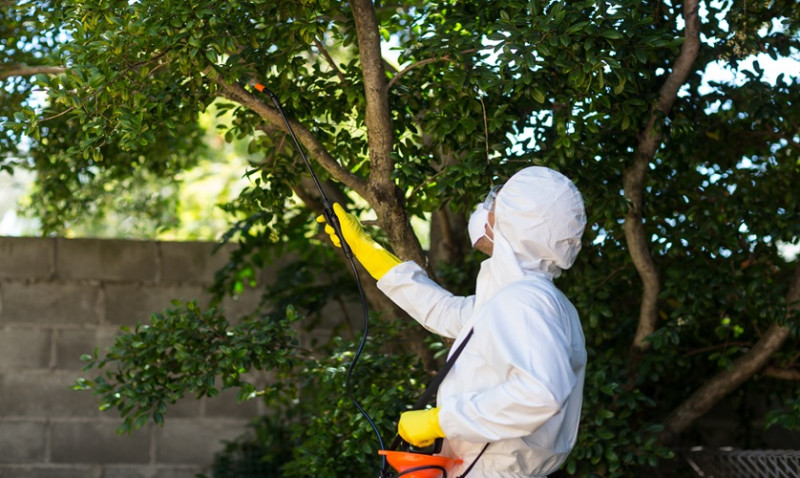
If you run a pest control company, you probably know that your reputation depends on reliability, attention to detail, and getting the job done right. The same applies when you're hosting a client appreciation event, sponsoring a trade show stand, or bringing your team together for a training day. A decent caterer can make your business look professional and organised. A poor one can undermine everything else you've worked for.
The problem is that most pest control business owners don't spend much time thinking about catering until they need it. Then they're in a hurry, they ring a few places, and they book whoever sounds vaguely competent on the phone. That's how you end up with lukewarm sandwiches and a client event that people forget for all the wrong reasons.
Start With the Basics: What Can They Actually Deliver?
Before you ask anything else, you need to know whether the caterer can handle the scale and type of event you're running. A small local firm that does office lunches might struggle with a 150-person pest control industry conference. A fine dining outfit might be overkill for a casual team meeting.
Ask them directly: have they catered for events similar in size to yours? If you're planning for 80 people, don't accept vague reassurances. Ask for specific examples. How many events of that size have they done in the last year? What was the feedback? If they hesitate or make excuses, that's your first warning sign.
You should also ask about their menu flexibility. Different catering companies have different strengths. Some specialise in hot meals. Others focus on buffet-style spreads. Some are better with dietary requirements. If your team includes vegetarians, vegans, and people with allergies, you need to know upfront whether the caterer treats this as a genuine challenge or a box-ticking exercise.
Understand Their Costing Model
This is where many pest control business owners get caught out. You agree to a price per head, you think it's settled, and then invoices arrive with unexpected charges for service staff, equipment hire, or delivery fees.
Ask for a complete breakdown before you commit. What does the per-head cost actually include? Is it just food? Does it include drinks? What about plates, cutlery, napkins? Are they charging for setting up and clearing down? What about delivery to your venue? If your event is outside their usual trading area, do they add a surcharge?
In the pest control industry, you know that transparency builds trust. Apply the same principle here. If a caterer can't give you a clear, itemised quote without hidden additions, move on.
Check Their Track Record on Timing and Logistics
Timing matters. If your event starts at noon, food needs to be ready at noon. Not 12.15pm. Not 12.30pm. Noon.
Ask them how they handle arrival and setup. Will they be there 30 minutes early? An hour early? What if your venue access is slightly delayed. How do they handle that? Do they have a contingency plan if a van breaks down? Have they worked at your specific venue before? If not, have they asked for details about kitchen facilities, parking, and access arrangements?
This matters because you've probably had experience with time-sensitive jobs. You know that most pest control work needs to happen at specific times. You understand that a client won't accept excuses if you're late. Your caterer should operate with the same professionalism.
Ask About Allergen Management and Food Safety
This is non-negotiable. If you're feeding 100 people from your pest control company and a client suffers an allergic reaction because the caterer failed to disclose an ingredient, you're liable. It's your event. It's your responsibility.
Ask caterers directly: how do they manage allergen information? Can they provide detailed ingredient lists for every dish? Do they have separate preparation areas for allergen-free food? Are their staff trained to recognise allergen risks? Do they ask guests in advance about dietary requirements, or do they just assume they'll be told on the day?
Also ask about their food safety certifications and insurance. A professional caterer should have public liability insurance of at least £6 million. They should be registered with their local environmental health authority. If they can't answer these questions immediately, they're not operating at the standard you need.
Discuss What Happens if Something Goes Wrong
Hope for the best but plan for the worst. If a key dish runs out halfway through the event, what's their response? If a guest has a bad reaction to something, what's their protocol? Can they provide contact details for someone who'll be on-site during your event?
A good caterer will have contingency plans and won't be defensive when you ask about them. They'll view these questions as sensible risk management, which is exactly what they are.
Get Everything in Writing
Once you've asked your questions and you're satisfied with the answers, get it all in writing. The contract should include the number of guests, menu details, prices with breakdown, delivery and setup times, cancellation terms, and who to contact if problems arise on the day.
This protects both you and the caterer. It's the professional approach. It's exactly what you'd expect from a pest control contractor coming to a client's property, and it's what you should expect from your caterer.
Final Thought
Catering for your industry events isn't the most exciting part of running a pest control business. But it's worth doing properly. A well-fed, comfortable team reflects well on your company. Clients remember good experiences. Invest the time in asking the right questions upfront, and you'll end up with catering that matches your professional standards.
Trending articles
-
 Business Rates and Inflation Squeeze: ...
Mar 2026
Business Rates and Inflation Squeeze: ...
Mar 2026
-
 WordPress vs Squarespace vs Wix for ...
Mar 2026
WordPress vs Squarespace vs Wix for ...
Mar 2026
-
 Why Pest Control Companies Need ...
Mar 2026
Why Pest Control Companies Need ...
Mar 2026
-
 Sole Trader or Limited Company? What ...
Mar 2026
Sole Trader or Limited Company? What ...
Mar 2026
-
 What to Expect When Hiring a Pest ...
Mar 2026
What to Expect When Hiring a Pest ...
Mar 2026
-
 Google Ads vs Facebook Ads for Pest ...
Mar 2026
Google Ads vs Facebook Ads for Pest ...
Mar 2026