
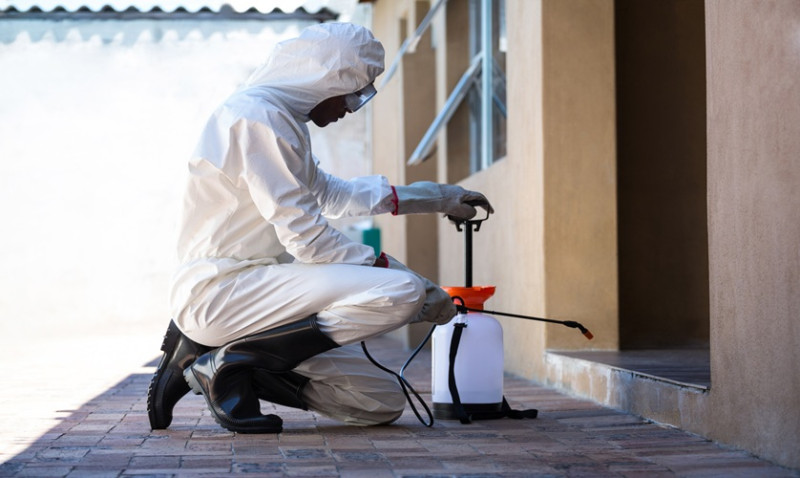
If you run a pest control operation in the UK, your bathroom probably gets heavy use. Technicians washing up after site visits, clients using facilities during consultations, staff spending eight hours a day in the space. A tired, outdated bathroom reflects poorly on your business. It's not just about aesthetics either. Damp, poorly maintained bathrooms create exactly the conditions that pests thrive in. Moisture, poor ventilation, hidden gaps. You know the problems. You solve them for clients daily.
A proper bathroom renovation tackles these issues head-on. Better extraction fans, sealed fixtures, smooth surfaces. No crevices for cockroaches or silverfish to hide in. No standing water for drains flies. It's practical. It's professional. And it costs more than you might think.
What You're Actually Going to Spend
Let's talk money. A basic bathroom renovation in the UK currently runs between £3,500 and £7,000 for a small space. Mid-range work, including decent fixtures and finishes, sits around £8,000 to £15,000. Premium renovations with quality materials and bespoke work can easily hit £20,000 or more.
For a pest control business, certain costs are non-negotiable. You need proper drainage that won't trap debris and insects. That means quality pipes and effective drainage slopes. Budget £800 to £1,500 just for a new toilet and installation. A decent shower or bath setup runs £1,200 to £3,000 depending on what you choose. Tiling and waterproofing should never be cheap. Cutting corners here means water damage and pest problems within two years. Expect £2,000 to £5,000 for proper wet-room preparation and tiling.
Ventilation matters more for your industry than most. A standard extractor fan costs £150 to £400. A quality system with ducting and proper installation, including timer controls and humidity sensors, reaches £600 to £1,200. Worth every penny. You've seen what happens when moisture builds up.
Don't forget fixtures and fittings. Taps, mirrors, shelving, lighting. These add another £1,000 to £2,500 depending on your choices. Flooring, whether tiles or vinyl, typically costs £800 to £1,800 for a small bathroom.
Timeline Expectations for Bathroom Work
A straightforward bathroom renovation takes 2 to 4 weeks. That's from demolition to final decorating. But that's optimistic and assumes no problems.
Reality usually looks different. Week one involves stripping out old fixtures and assessing the space. Builders find damp. They find rot in joists. They find dodgy plumbing that needs replacing beyond the original scope. This is when your budget gets a conversation.
Weeks two and three cover the main work. Replumbing, rewiring, new structural elements if needed. Waterproofing and tiling. Installation of new fixtures. This is where delays stack up. Plumbers get delayed elsewhere. Tile deliveries run late. Unforeseen issues with walls or floors mean extra work.
Week four is usually finishing. Painting, final fixtures, cleaning, snagging. Some contractors add another week just for minor tweaks and problem-solving.
If you need structural work, electrics updates, or extensive damp treatment, add another 2 to 4 weeks. A complete bathroom overhaul with structural issues can easily take 8 to 10 weeks.
Planning Your Renovation Properly
Start by being honest about what's actually wrong. You know building conditions better than most. Damp patches tell a story. So do mould marks and soft plaster. Get a surveyor's report if you're unsure. It costs £300 to £500 but prevents expensive surprises mid-project.
Get multiple quotes. At least three. Don't just pick the cheapest. A contractor who bids significantly lower than others is either cutting corners or misunderstanding the scope. Ask for references. Ring them. Ask specifically about timescales and how they handled unexpected problems.
Plan for business disruption. If your bathroom is the only one staff use, you need a strategy. Can you use facilities elsewhere during renovation? Can you adjust schedules? Talk to your team early. A 4-week renovation where staff can't access the toilet is a much bigger problem than you initially think.
Decide on your material choices before work starts. Don't decide about tiles on week two. That's how projects overrun. Approve samples, check colour accuracy in your actual lighting. Choose finishes that work for a commercial environment. Matte black tiles look good in magazines. They're a nightmare to keep clean in a business. Practical choices matter.
Budget Protection and Contingency
Build in contingency. Financial experts suggest 10 to 20 percent on top of your estimate for unexpected costs. For a £10,000 project, that's £1,000 to £2,000 in reserve. When builders find asbestos in old pipework, or when rot necessitates joist replacement, that money means you're not scrambling.
Get everything in writing. Your contract should specify exactly what's included, what's not, and what changes cost. Verbal agreements mean arguments later.
Set a clear completion date with penalty clauses. If the work drags on, that costs you in lost productivity and staff frustration. Contractors take timelines seriously when there's financial incentive.
Long-term Thinking
You're not just fixing a bathroom. You're investing in a space that prevents pest problems in your own business. That's something you actually understand. No one knows better than a pest control professional what happens when ventilation fails or moisture accumulates.
Choose specifications that support your work. Sealed edges everywhere. No gaps around pipes. Effective drainage. Proper ventilation. These aren't upgrades. They're essentials for a business like yours.
The renovation costs what it costs. But skimping on bathroom infrastructure creates problems you'll be dealing with for years. You've seen what poor maintenance leads to. Don't let it happen in your own premises.
Trending articles
-
 Business Rates and Inflation Squeeze: ...
Mar 2026
Business Rates and Inflation Squeeze: ...
Mar 2026
-
 WordPress vs Squarespace vs Wix for ...
Mar 2026
WordPress vs Squarespace vs Wix for ...
Mar 2026
-
 Why Pest Control Companies Need ...
Mar 2026
Why Pest Control Companies Need ...
Mar 2026
-
 Sole Trader or Limited Company? What ...
Mar 2026
Sole Trader or Limited Company? What ...
Mar 2026
-
 What to Expect When Hiring a Pest ...
Mar 2026
What to Expect When Hiring a Pest ...
Mar 2026
-
 Google Ads vs Facebook Ads for Pest ...
Mar 2026
Google Ads vs Facebook Ads for Pest ...
Mar 2026